
SELECTED WORKS
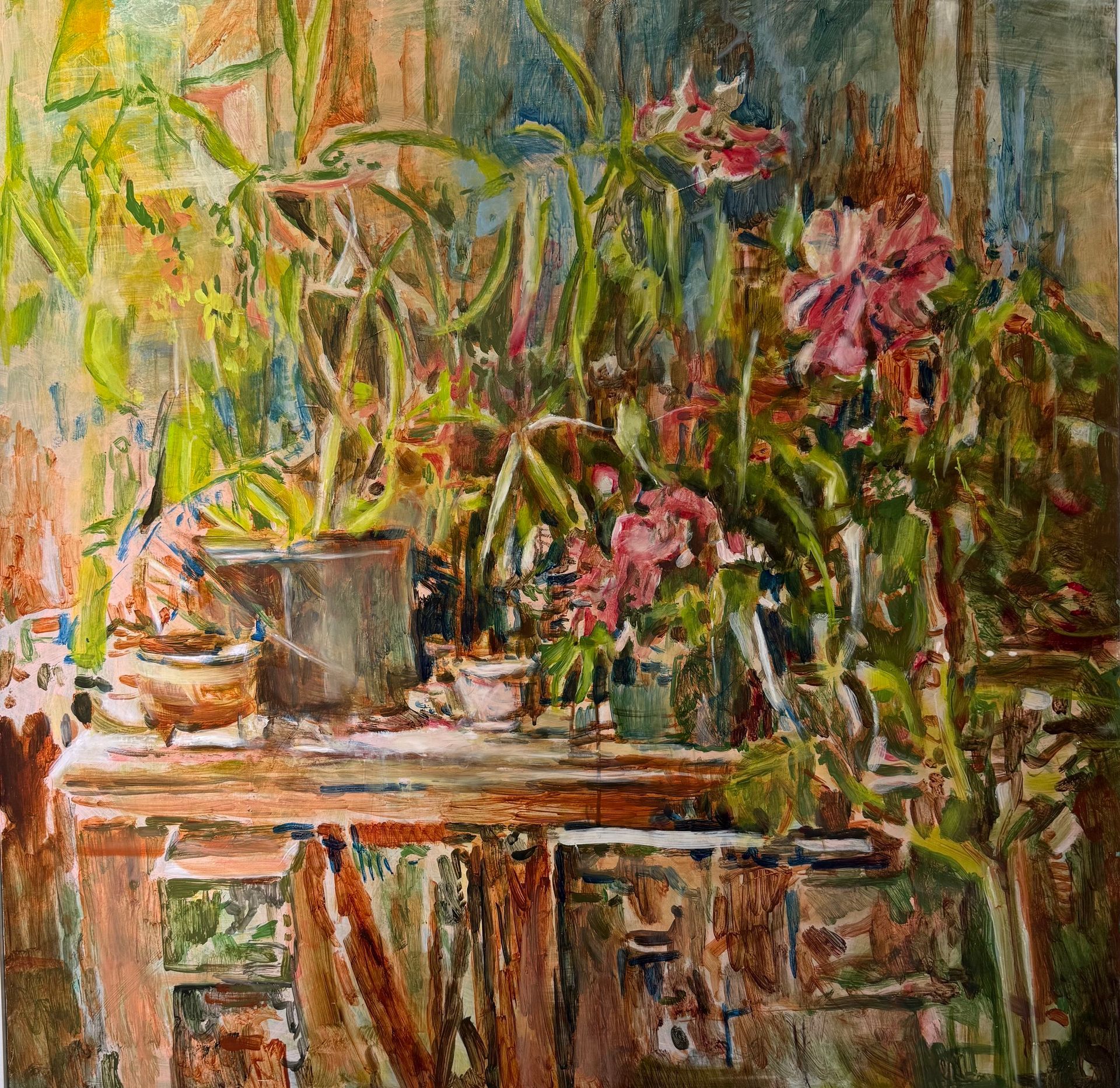
Pink Flowers
Viola Artemani
Mixed Media on Canvas
36 x 36 Inches
$3,200 Framed
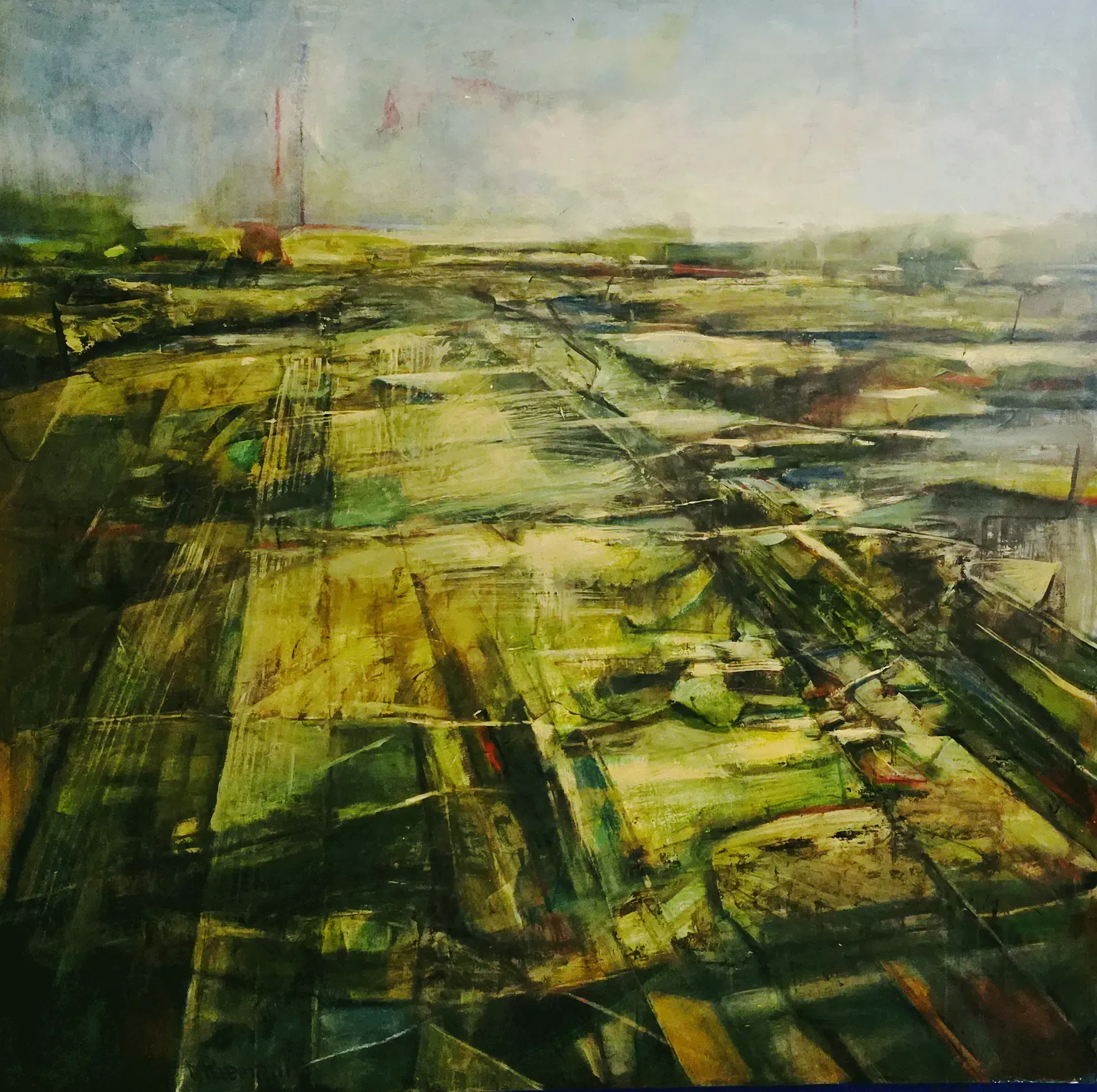
Nature's Symphony
Viola Artemani
Mixed Media on Canvas
36 x 36 Inches
$3,200 Framed
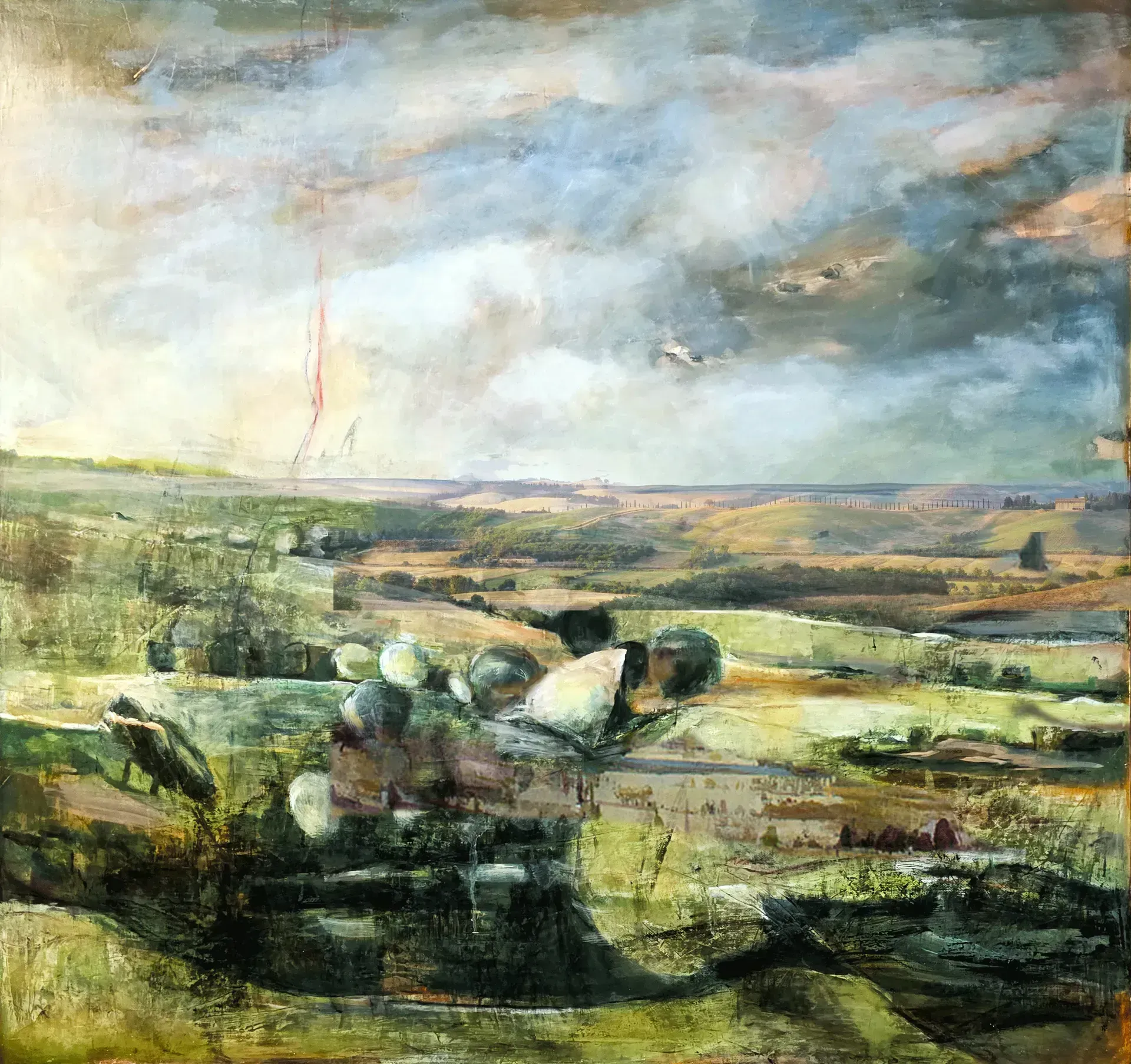
Green Memory
Viola Artemani
Mixed Media on Canvas
36 x 36 Inches
$3,200 Framed
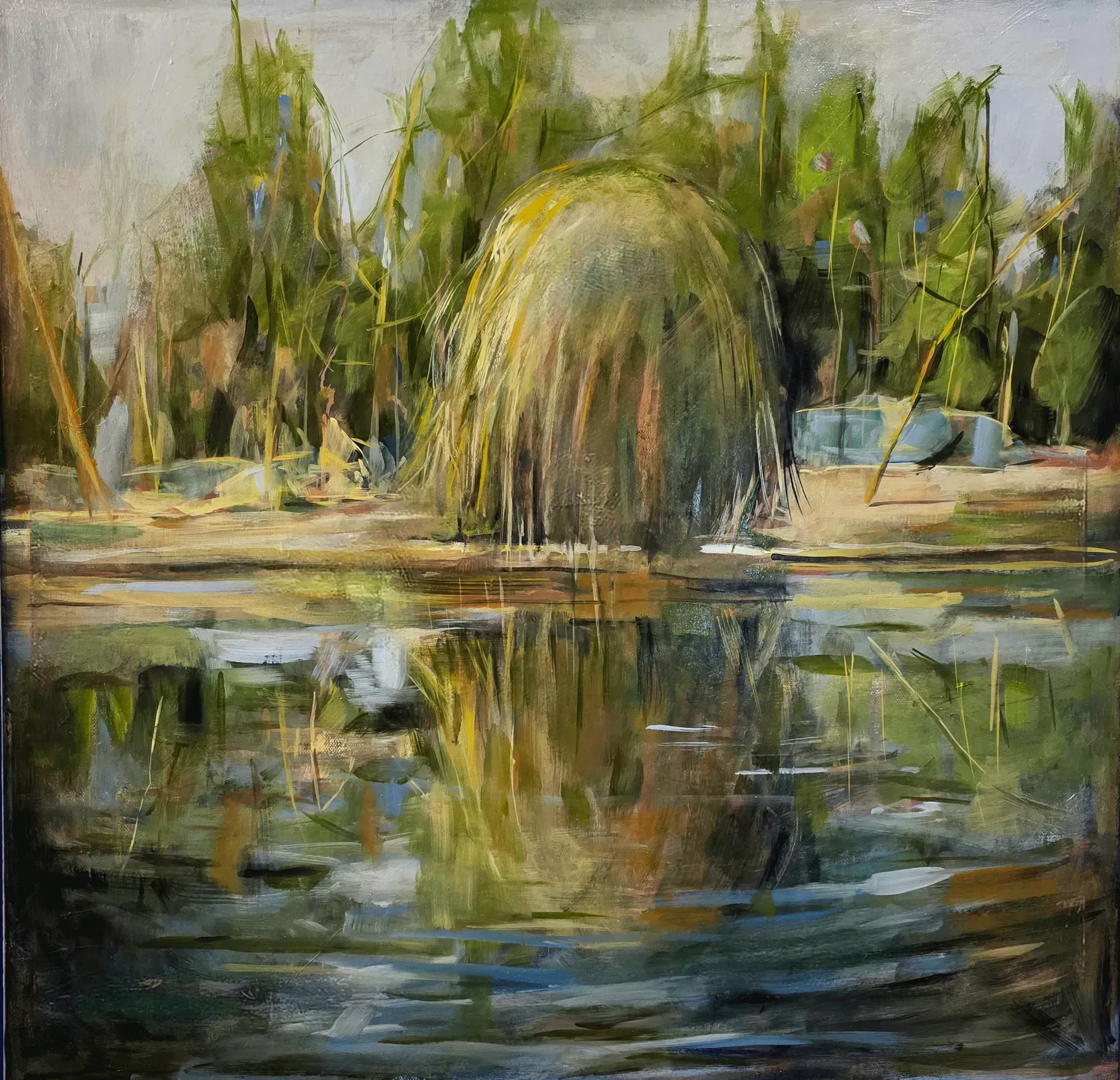
Reflection
Viola Artemani
Mixed Media on Canvas
24 x 24 Inches
$2,200 Framed
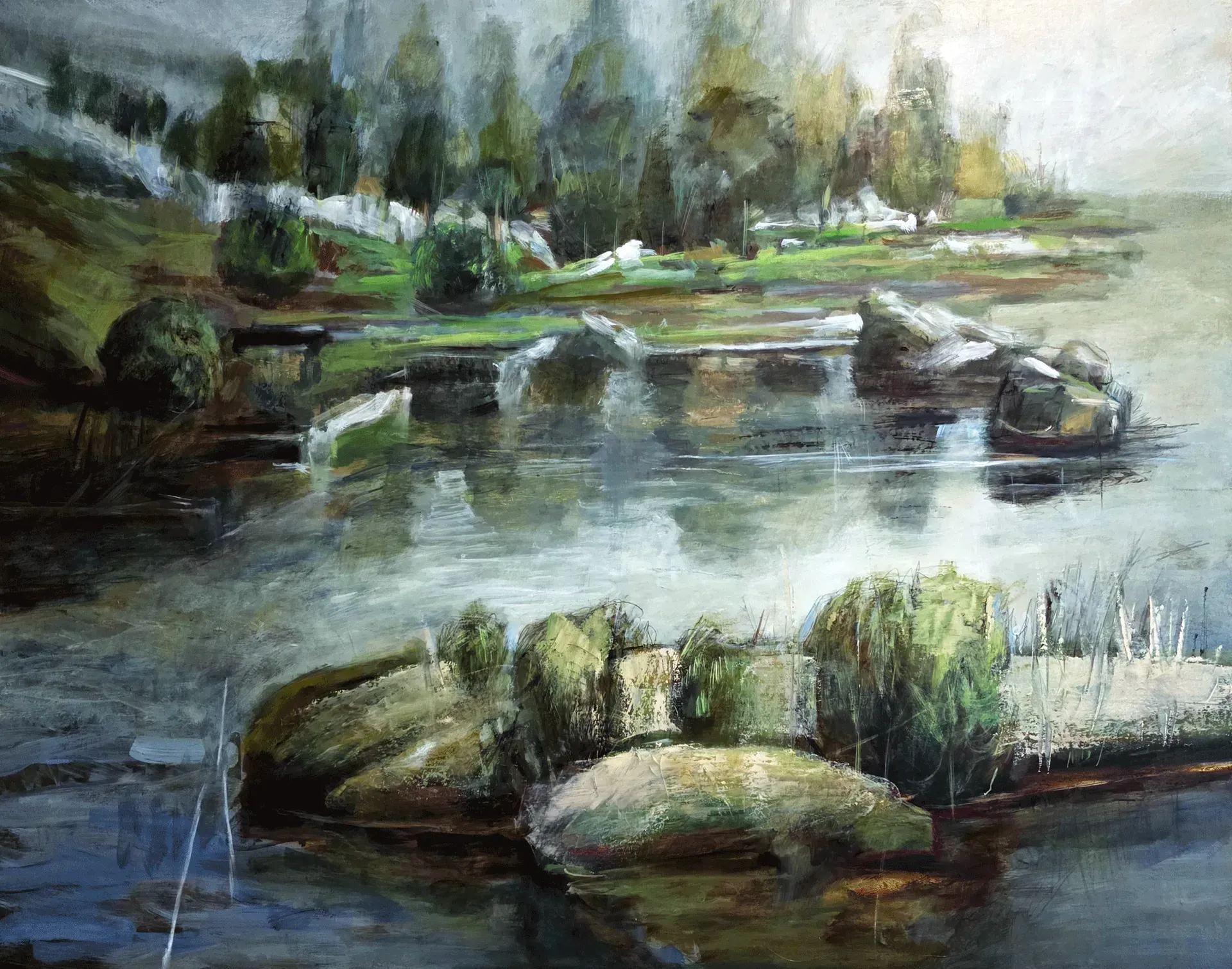
First Snow
Viola Artemani
Oil on Canvas
30 x 24 in
$2,800, Framed
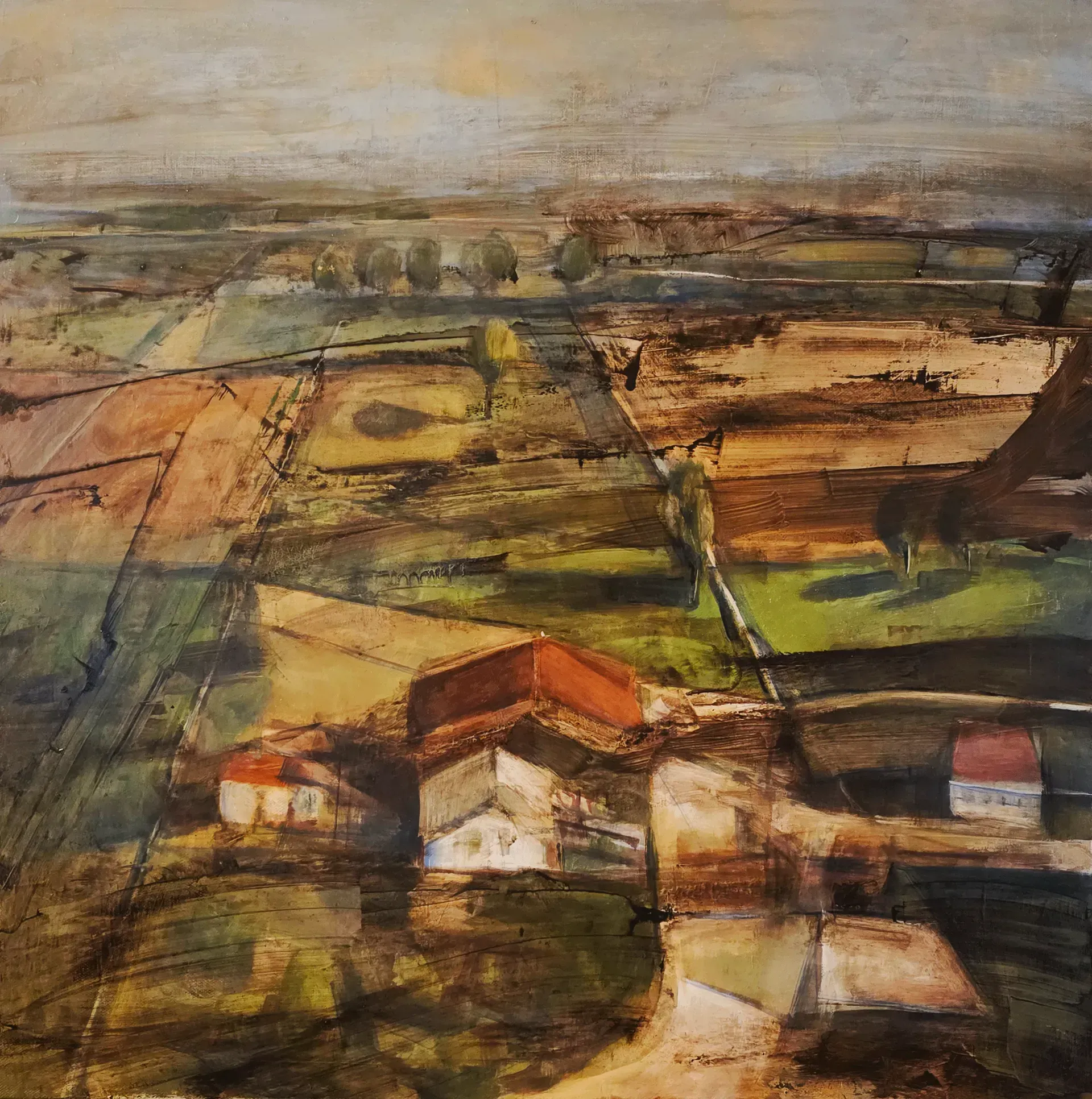
Evening
Viola Artemani
Oil on Canvas,
24X24
$2200, Framed
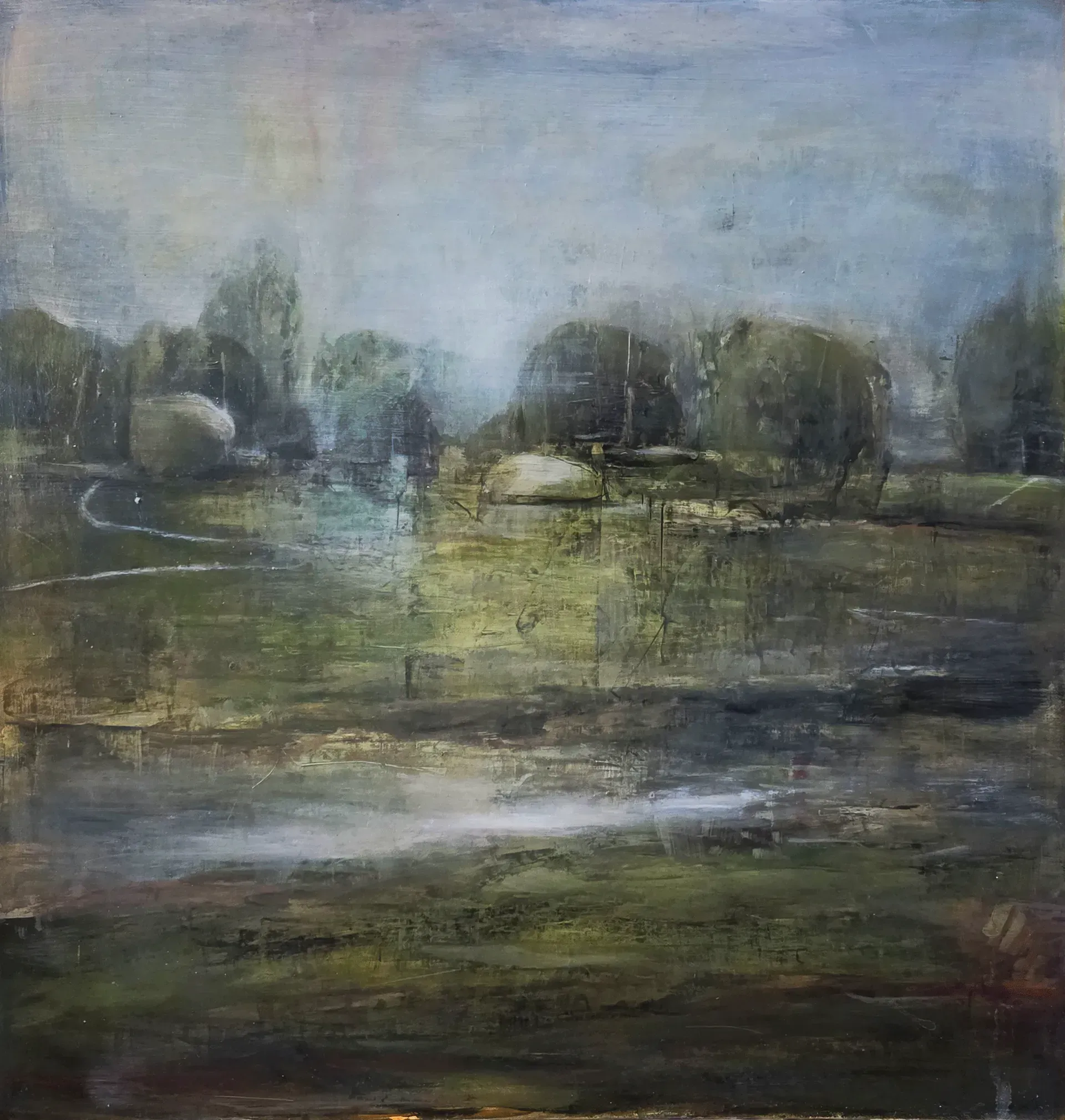
Foggy Day
Viola Artemani
Oil on Canvas
24X24
$2,200, Framed
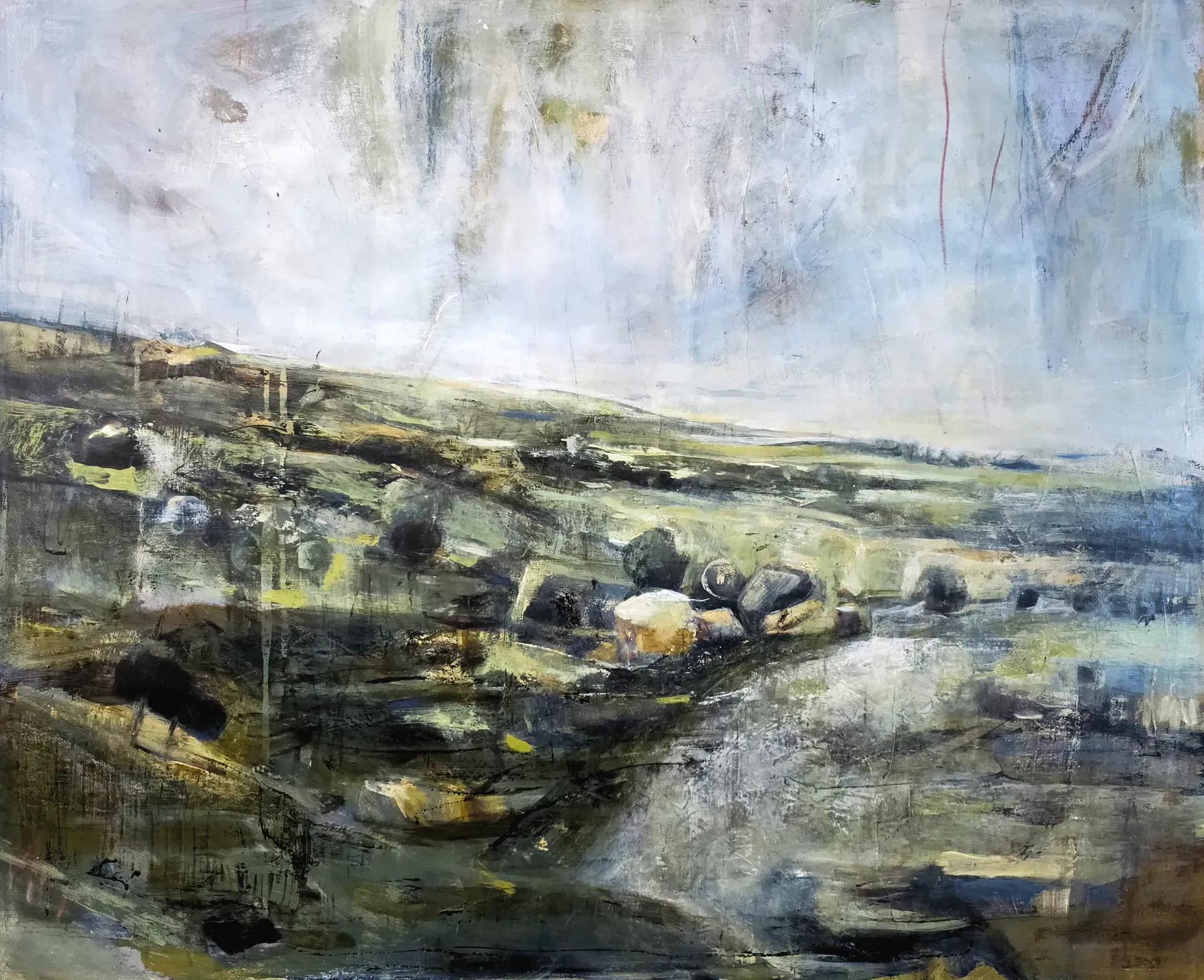
Green Memory I
Viola Artemani
Mixed Media on Canvas
24 x 30
$2,800
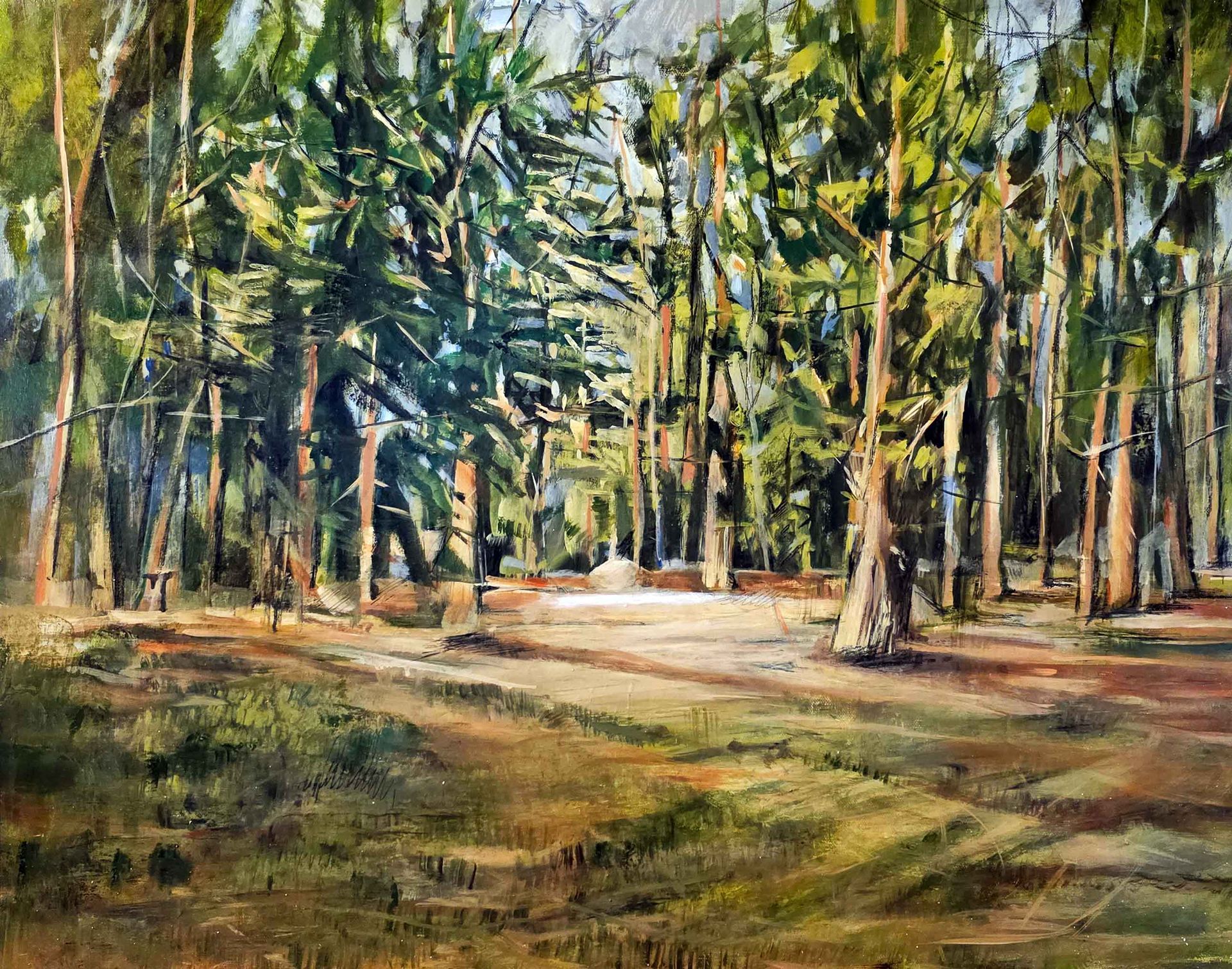
Forest Gateway
Viola Artemani
Mixed Media on Canvas
24 x 30 Inches
$2,800
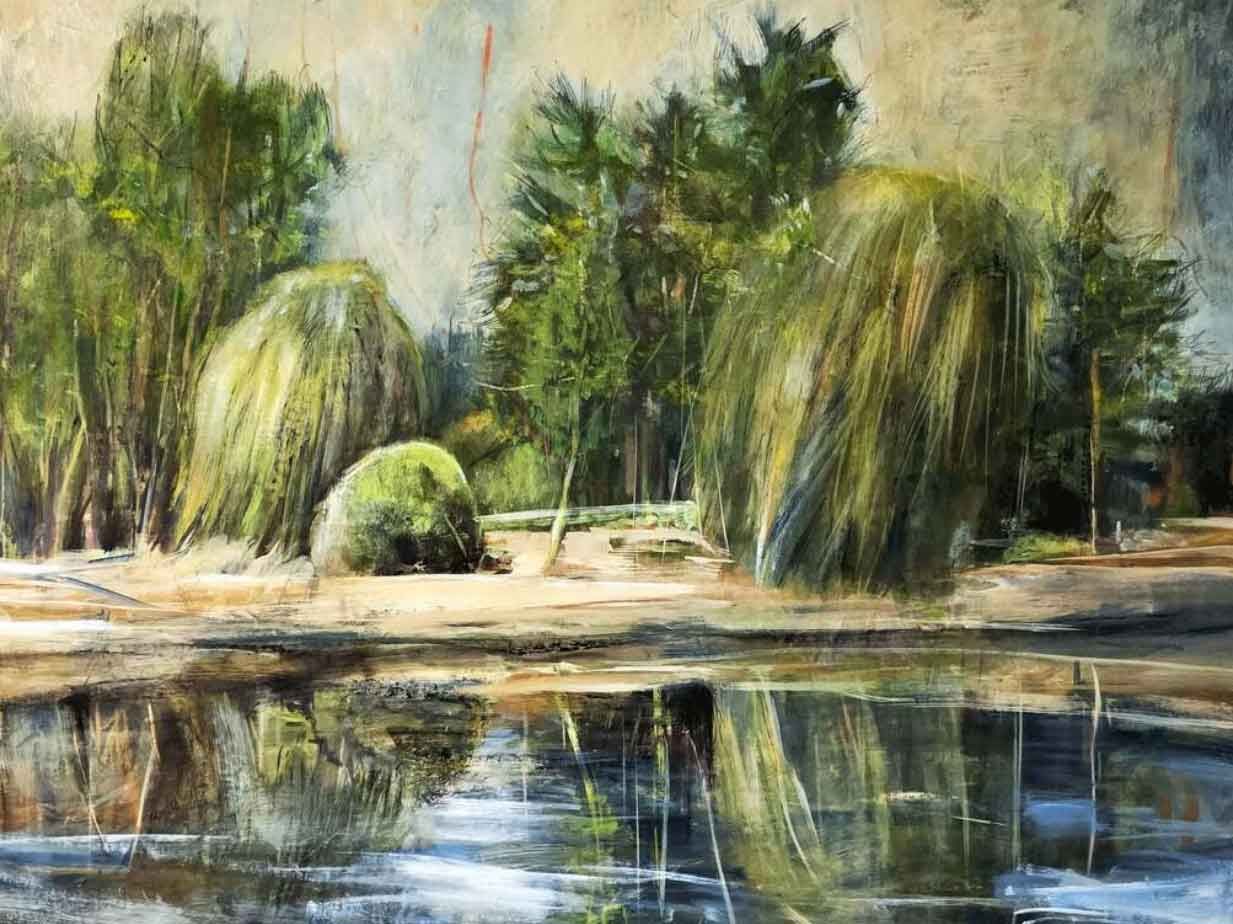
Reflection II
Viola Artemani
Oil on Canvas
30 x 24 in
$2,800 Framed
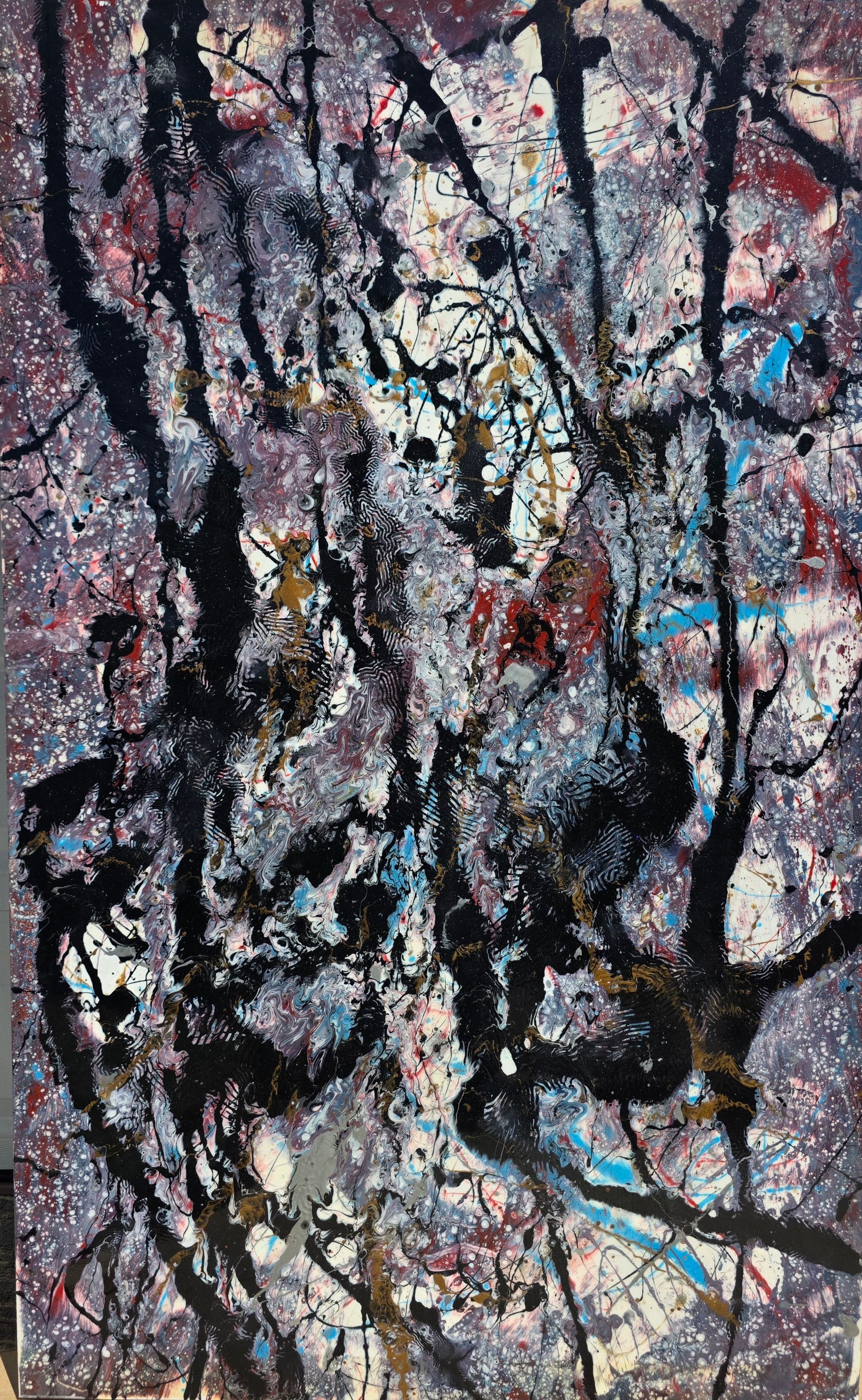
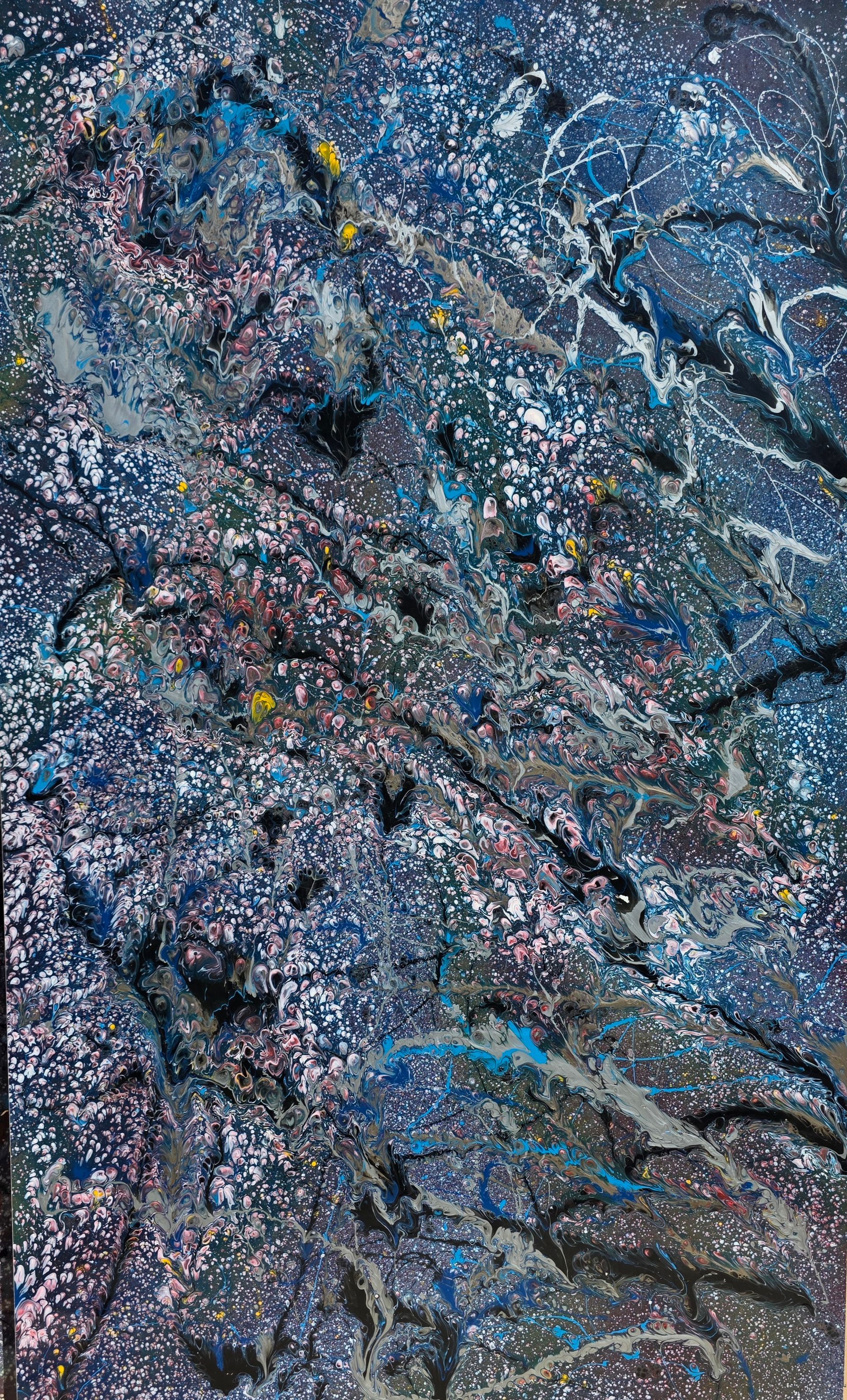
Primal Resonance
Dan Larsen
Mixed Media on Aluminum
66 x 41 inches
$8,800
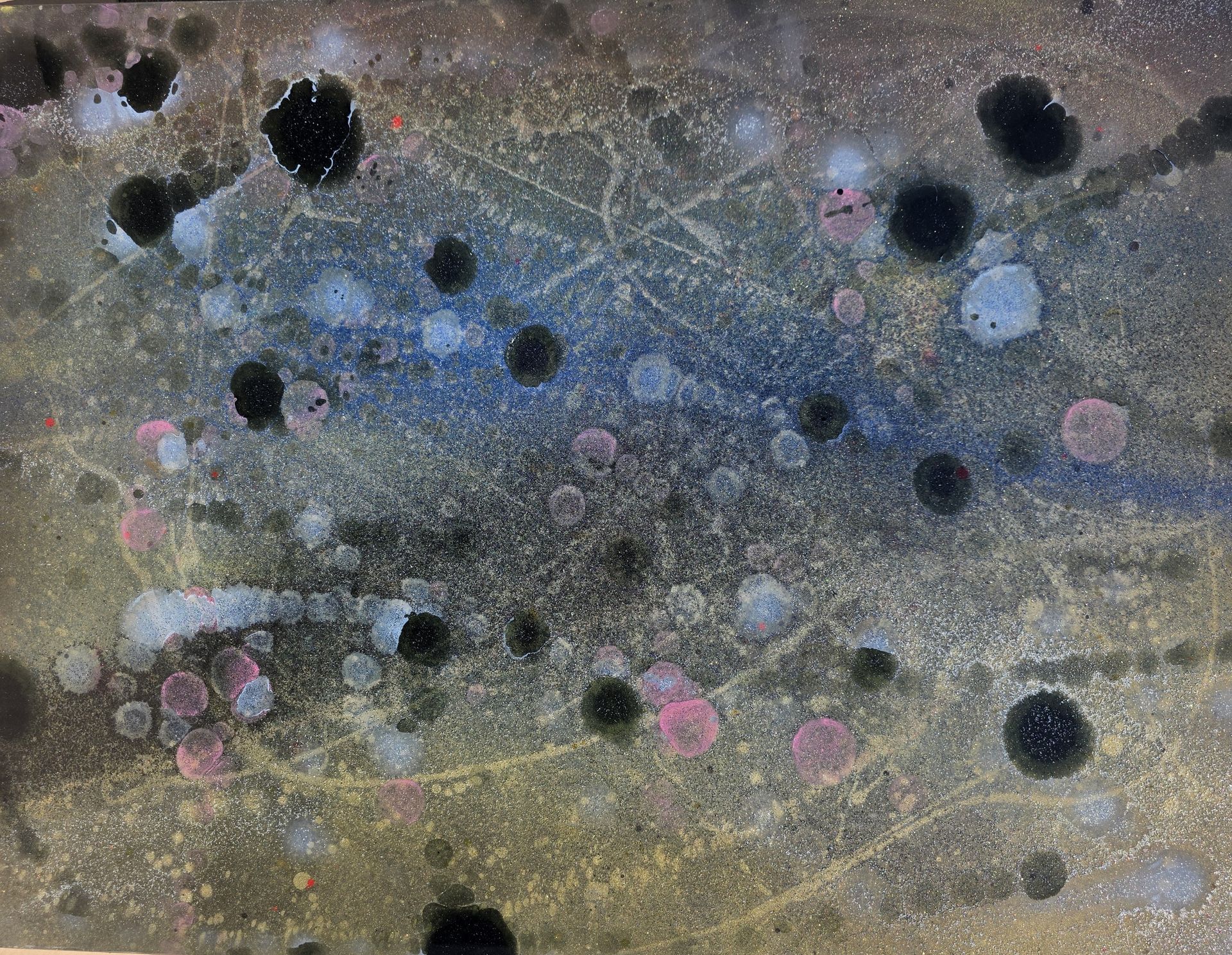
Tashkent Cherry Blossoms after an Uzbek Winter
Dan Larsen
Mixed Media on Aluminum
71.75 x 42.75 in.
$9,950
Echoes in the Field
Dan Larsen
Mixed Media on Aluminum
50 x 39 inches
$6,350

The Shape of an Echo
Dan Larsen
Mixed Media on Aluminum
78 x 58 inches
$14,500
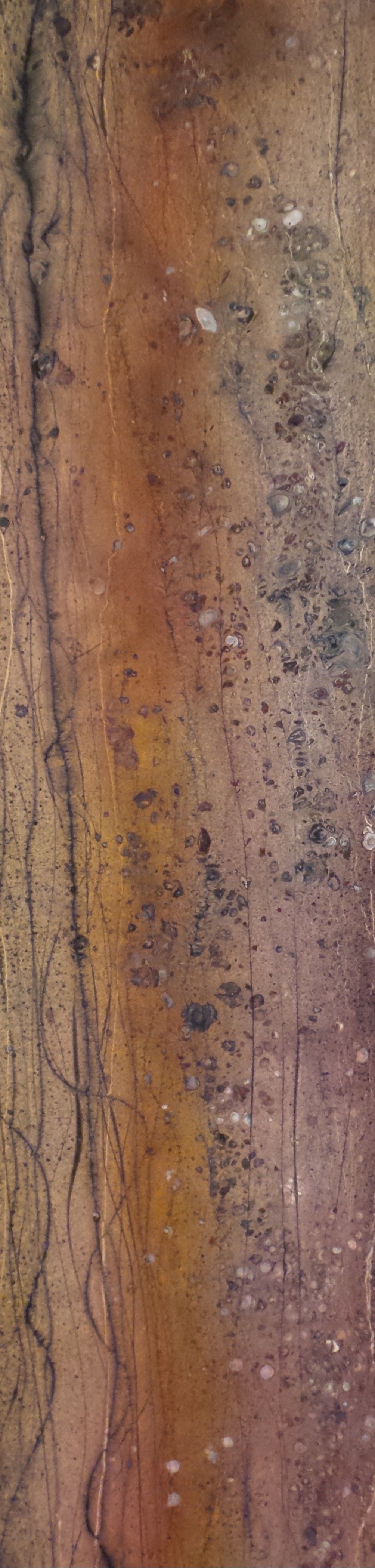
Peaceful Interlude II
Dan Larsen
Mixed Media on Aluminum
72 x 16 x 2 in.
$3,600
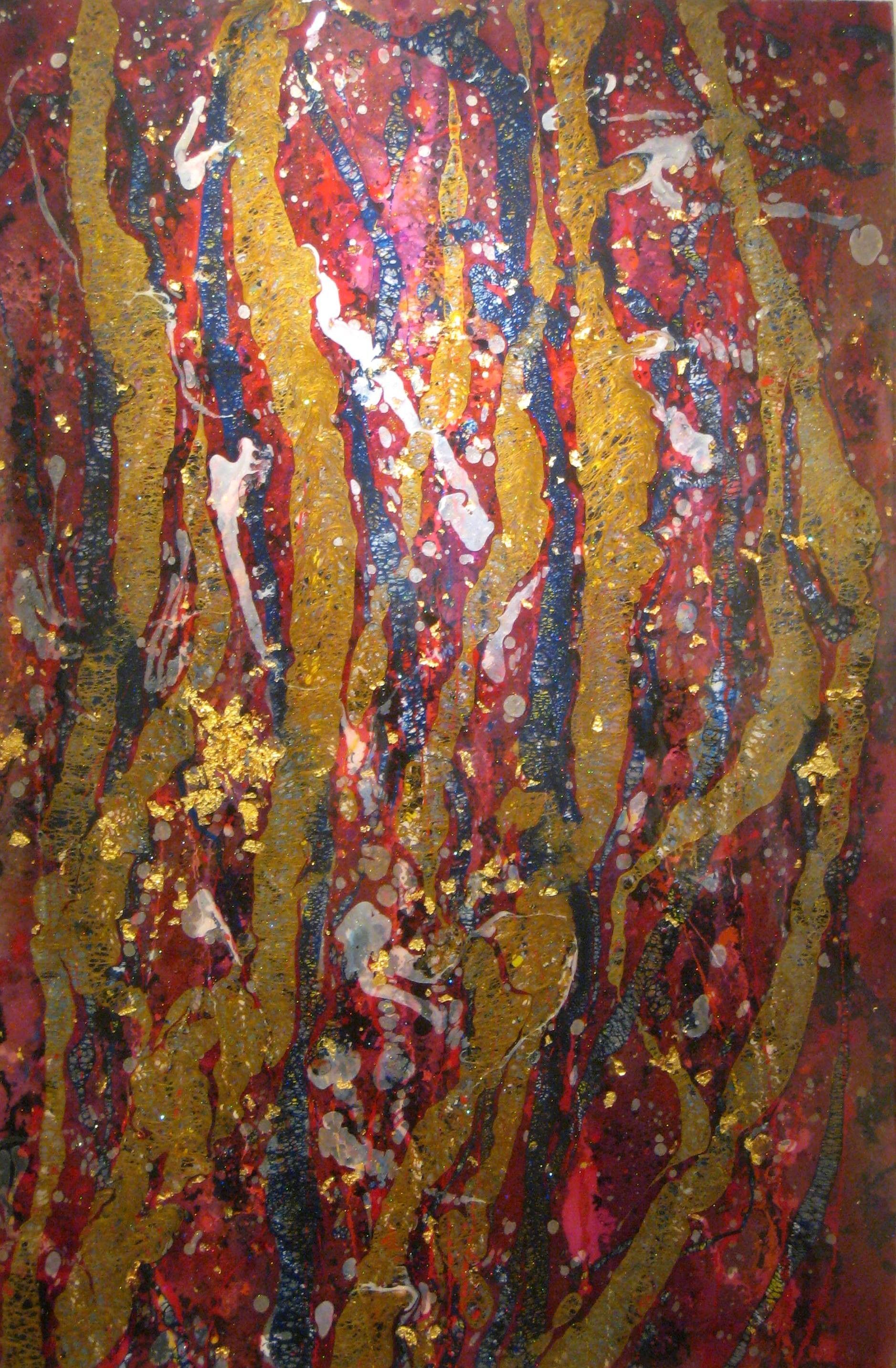
Pillars of Creation
Dan Larsen
Mixed Media on Aluminum
48 x 31.5 inches
$5,000
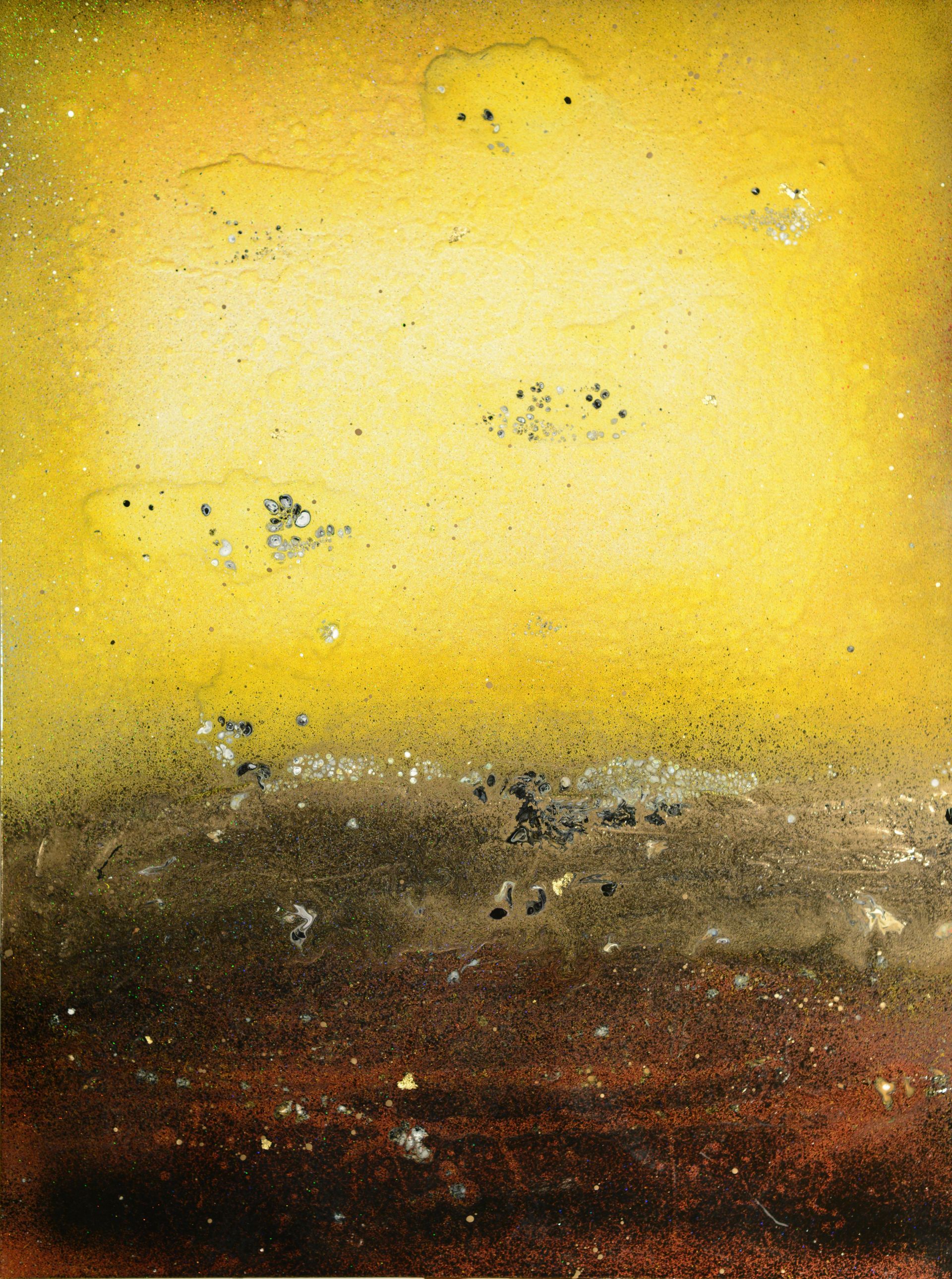
Solar Exposure II
Dan Larsen
Mixed Media on Aluminum
48 x 36 inches
$5,800
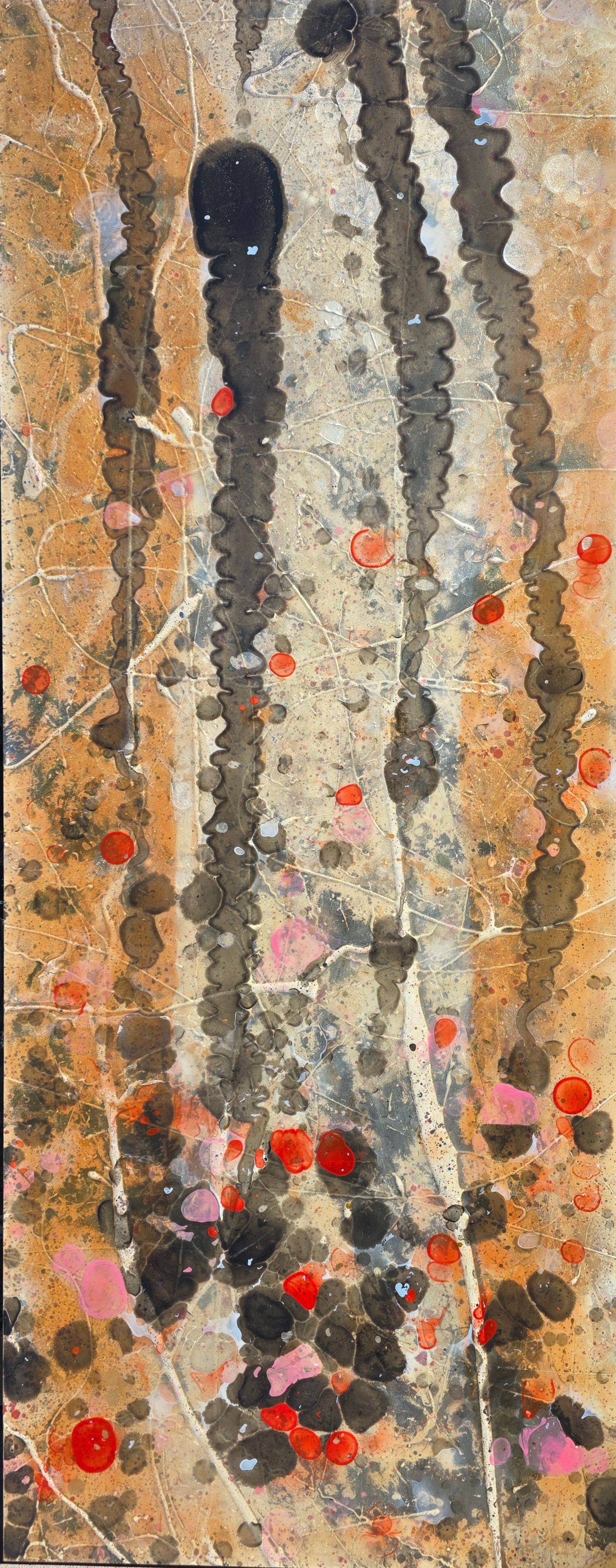
Standing Wave
Dan Larsen
Mixed Media on Aluminum
66 x 26 inches
$5,600
Viola Artemani
“My art is about turning the physical into something abstract and vice versa. I’m fascinated by space, memory, and their virtual forms.”
Artemani’s work has long explored human experience, memory, identity, and the symbolic possibilities of space. By moving fluidly between reality and abstraction—and combining different techniques and media—she creates paintings that feel both familiar and elusive.
This year’s exhibition takes us somewhere new. Leaving behind the figures, interiors, and florals of previous exhibitions, Artemani turns her attention to the landscape. Some works originate in direct observation and plein-air painting; others emerge from remembered places and moments from the past. In either case, the landscape becomes more than a record of a particular location. It becomes a vehicle for memory, emotion, and interpretation.
Born in Tbilisi, Georgia, Artemani moved with her family to Montreal, Canada, in 2000. Today, she divides her time between Montreal and Seattle. Her cultural background, travels, personal experiences, and observations of the lives around her continue to inform her work.
“Painting and drawing for me is a way of thinking and observing the world around me. My inspiration comes from my own life, feelings, emotions and experiences, or sometimes from my observations of the lives of other people.”
Artemani generally begins with an idea of her subject and a broad sense of composition. She develops an outline of where the painting might go, but that initial structure is only a point of departure. Once she begins painting, intuition takes over. The brush moves quickly across the canvas, translating what has been mentally composed while allowing the unexpected to become part of the finished work.
That balance between intention and discovery is central to her process.
“I like to mix different styles and techniques and try to show the space and mood between reality and abstraction. It’s like an exciting game when you can never predict the outcome. What happens is completely unknown at first and therefore fascinating and interesting.”
Working in acrylic, oil, oil pastel, India ink, and pencil, Artemani places particular importance on composition and atmosphere. She builds and alters surfaces until the recognizable and the abstract begin to coexist. A landscape may suggest a specific place, but it can just as easily evoke a memory of somewhere we have been—or perhaps somewhere we only imagine we remember.
Her new landscapes are therefore not simply paintings of places. They are paintings about our relationship to place: what we see, what we retain, what time changes, and what memory reconstructs.
For Artemani, the creative process ultimately involves allowing the conscious and subconscious to meet on the canvas:
“My creative process is fueled by the subconscious. My brain creates, while my hand acts as a conduit, allowing the manifestation of that which exists beyond the conscious self.”
In this new body of work, landscape becomes the perfect setting for that exploration—a place where observation meets memory and where the physical world gradually gives way to something more personal, abstract, and enduring.
Dan Larsen
The paintings in this exhibition evoke celestial events rather than depict them literally. Nebulas, solar flares, planetary surfaces, and distant galaxies emerge through layers of color, texture, and light, encouraging viewers to discover their own interpretations. Monumental in scale yet remarkably intricate, each work reveals new details with every viewing, offering a visual experience that is equally compelling from across the room or just inches away.
Larsen refers to his approach as "paint in motion." His process embraces both intention and spontaneity, allowing industrial materials, chemistry, gravity, and time to become collaborators in the creative act. Rather than forcing every outcome, he orchestrates conditions that allow the materials to respond naturally, producing textures and patterns that cannot be duplicated. The result is work that feels simultaneously controlled and organic -a balance of precision and unpredictability.
PAST EXHIBITIONS
"Between Memory and Place" Landscapes and Florals by Viola Artemani with Held over works by Dan Larsen
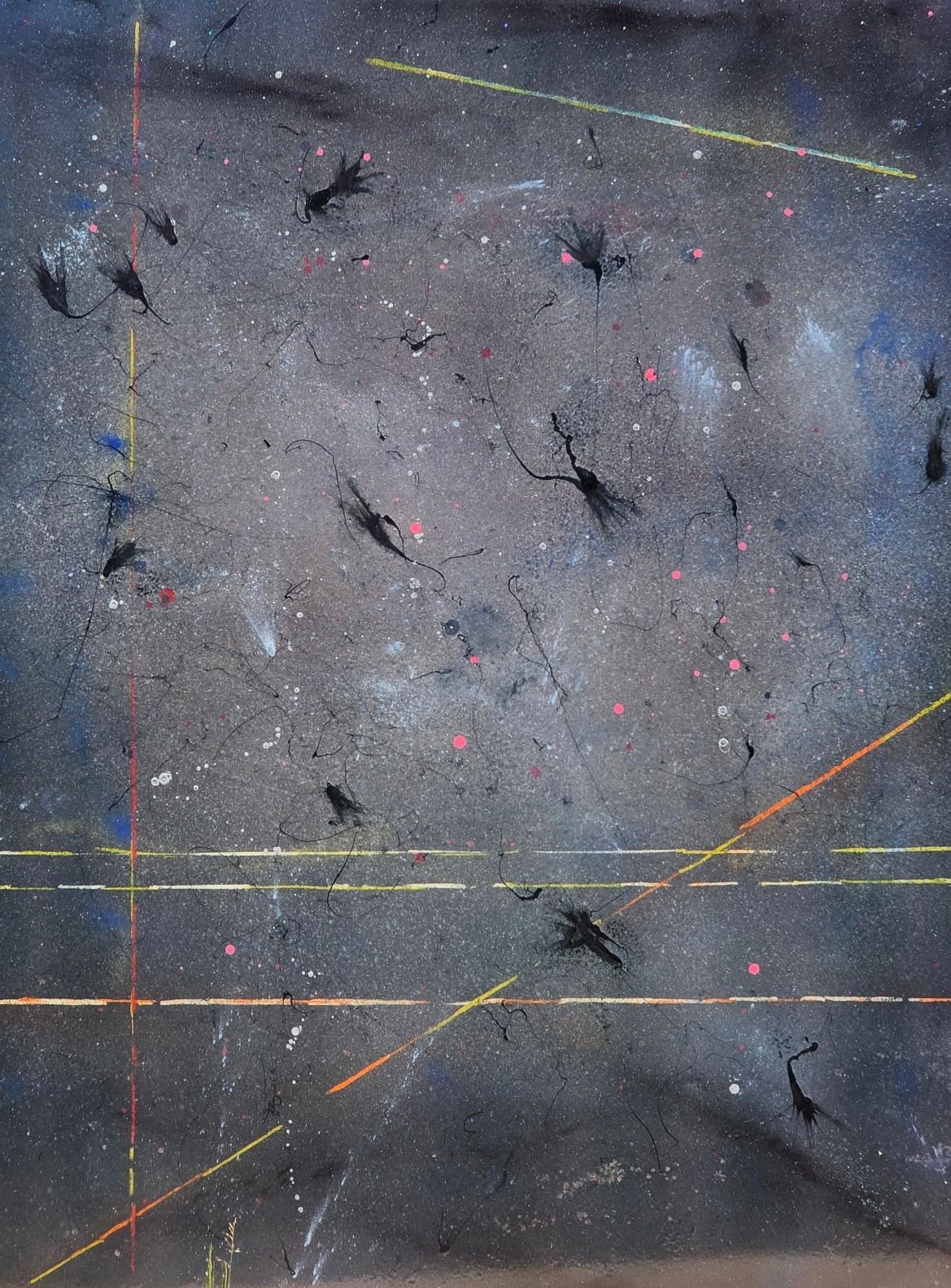
Resonance
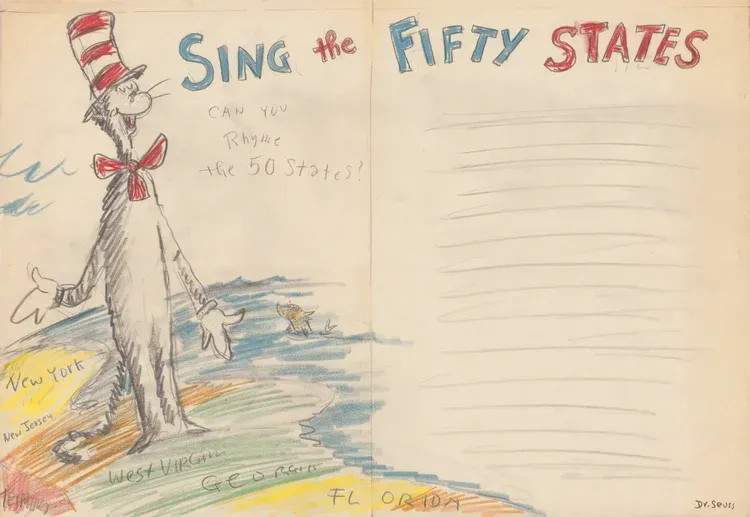
The Art of Dr. Seuss a Traveling Exhibition
New Works from the Desert
March Madness - Works Priced Right!
January Group Exhibit
Washington Wines
What did you miss? Inventory works!
Dog Gone It and Sculpted Shadows"
Seasoned With Age
April Showers Bring May Flowers
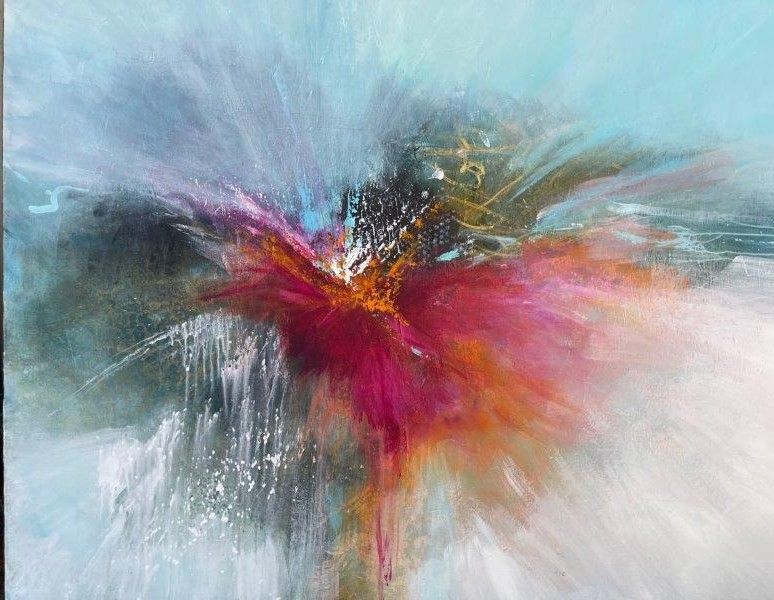
Jan Griggs - New Works
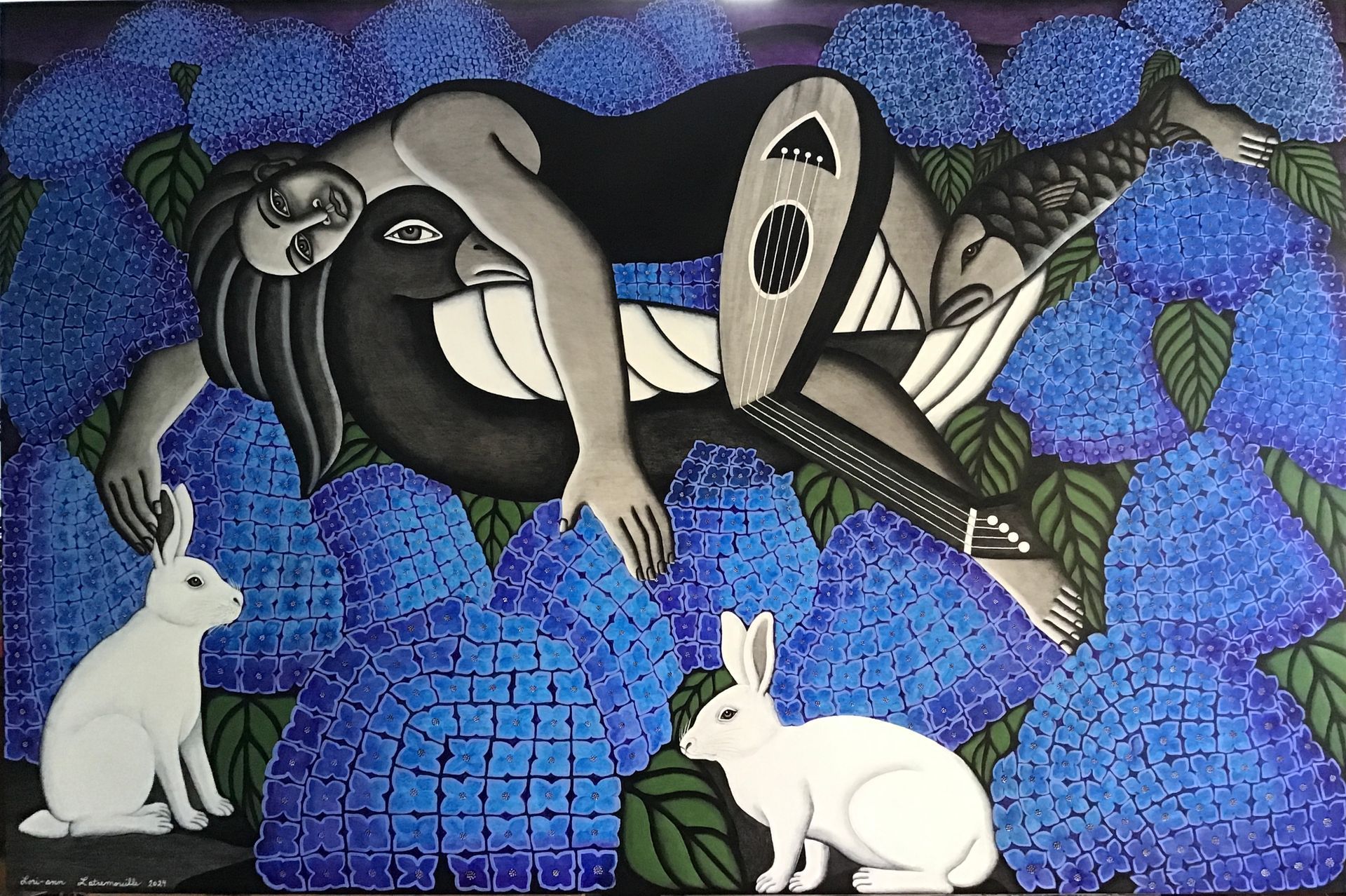
Blue Hydrangeas
Happy Holidays!
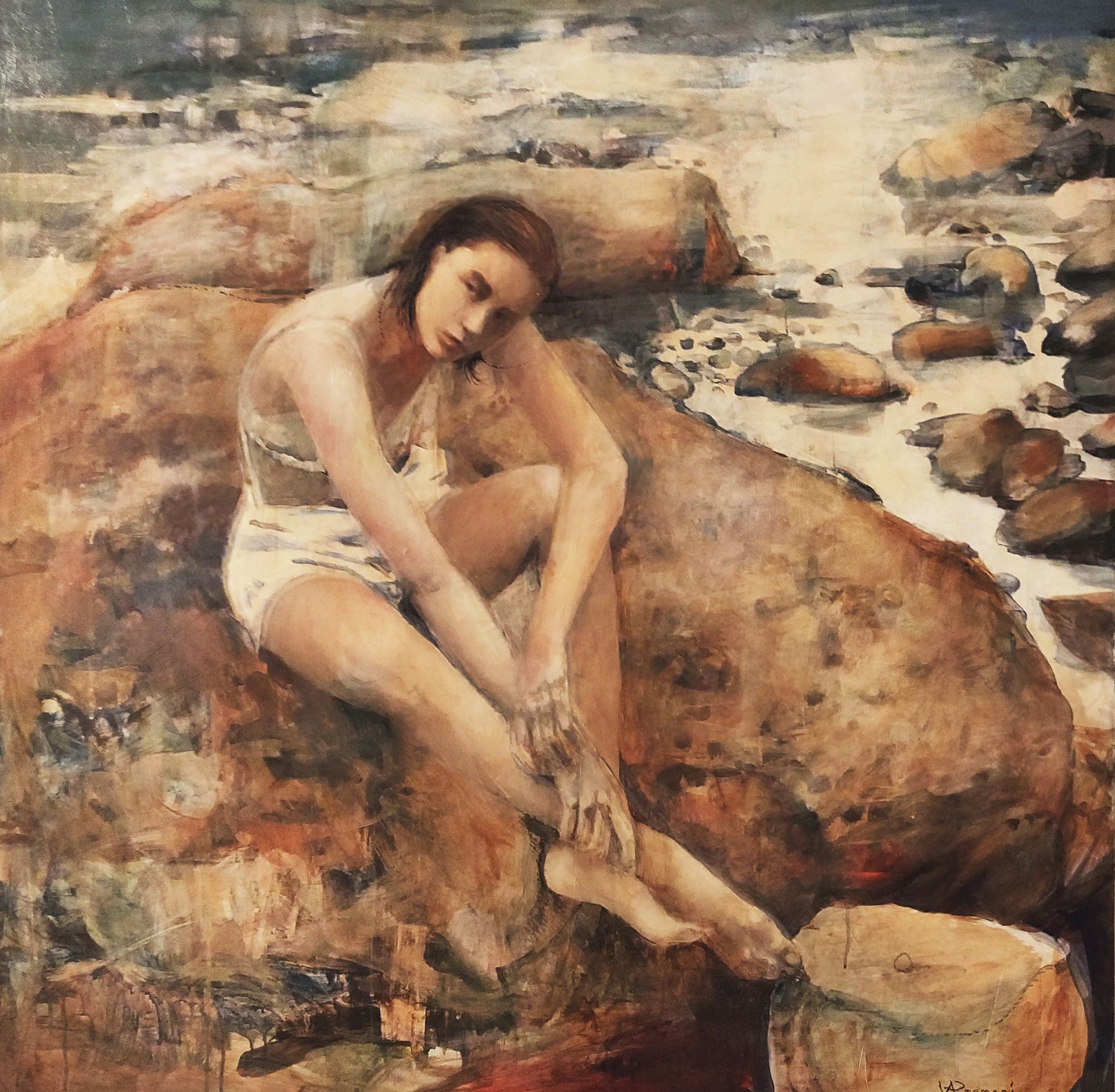
Space for Dreams by Viola Artemani

The Art of Dr. Seuss
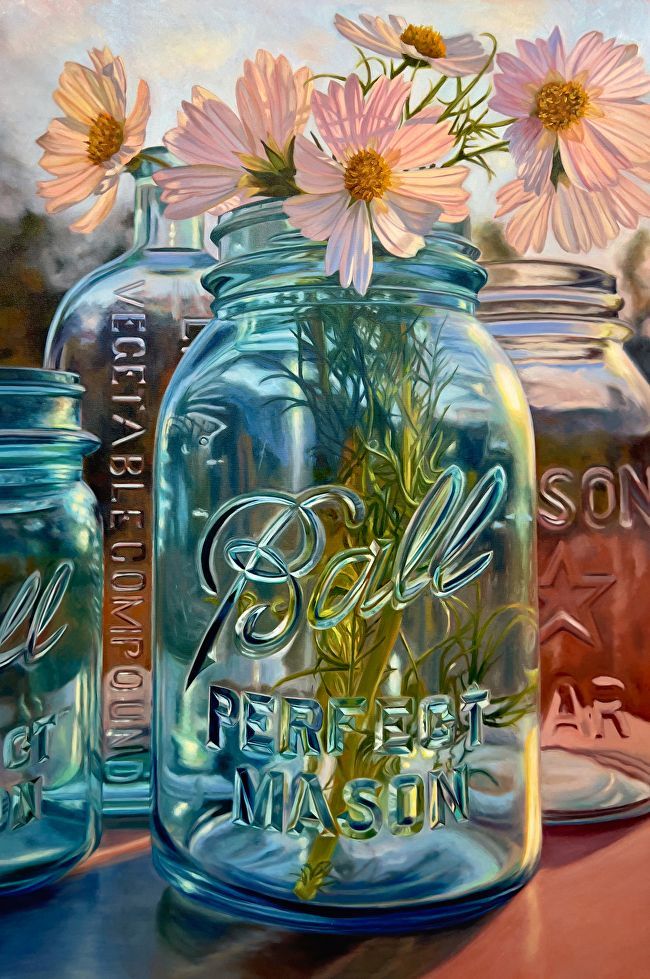
Reflected Kristen Reitz-Green
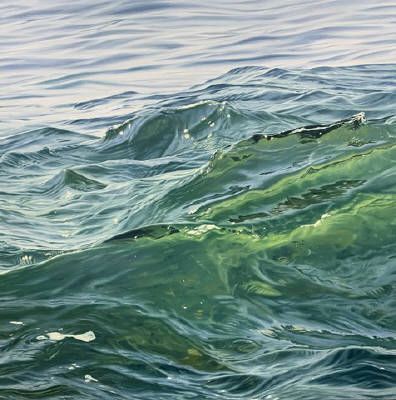
Debbie Daniels "Wild Unrest"
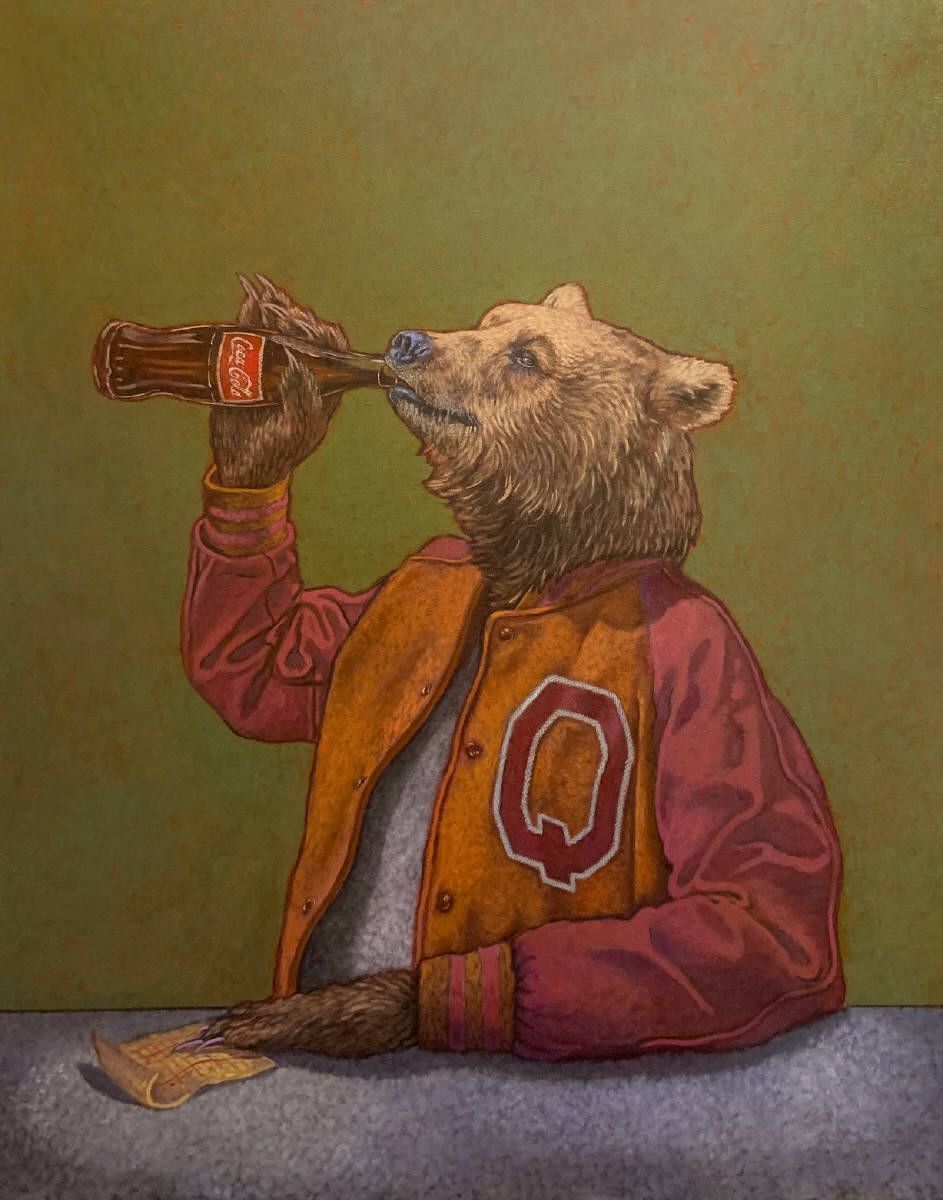
Interruptions - Part II "Glass Animals" by Brad Caplis
Interruptions - Part I Gallery Inventory
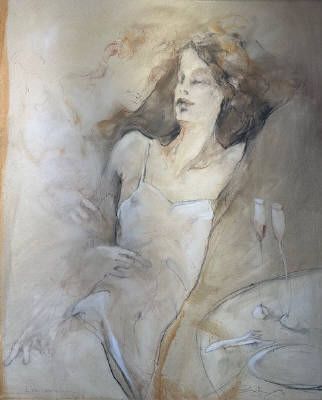
"Caution! Curves Ahead" Figurative works by various artists
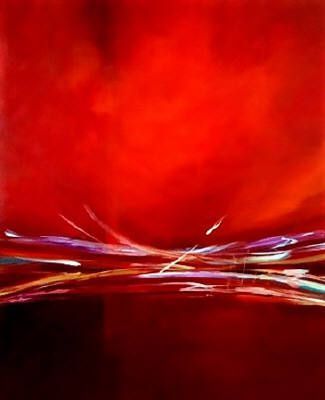
Jan Griggs "From Within"
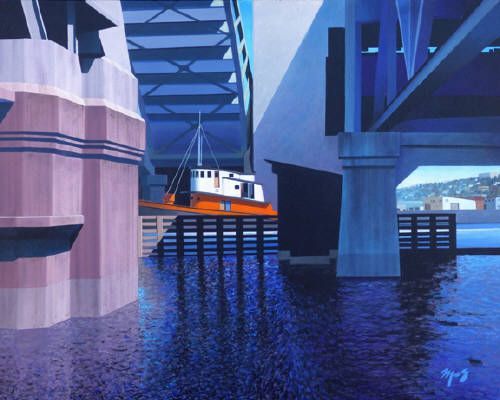
"Realm of Boats" Mark Skullerud
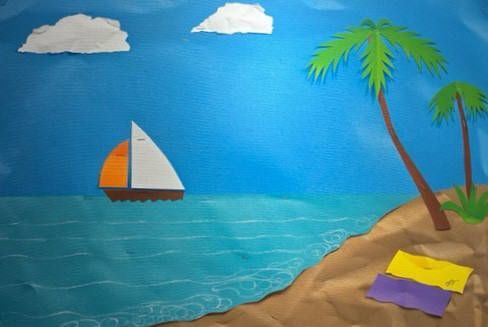
Seasoned with Age
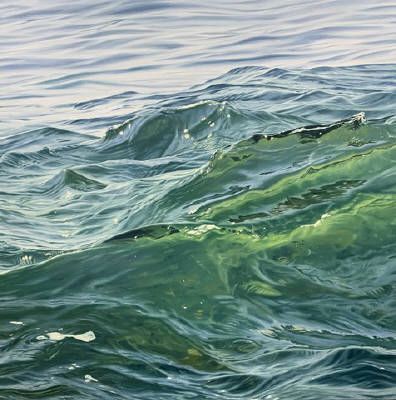
Debbie Daniels "Sea Bubbles"
Gallery II - New Works
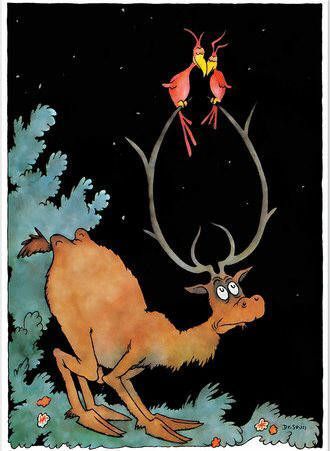
The Art of Dr. Seuss
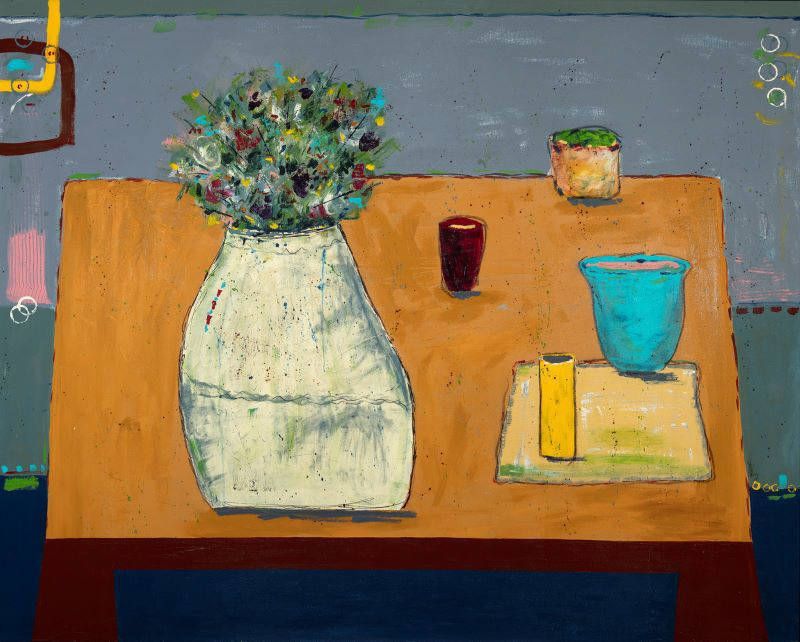
"Vessels" Jolene Sunding
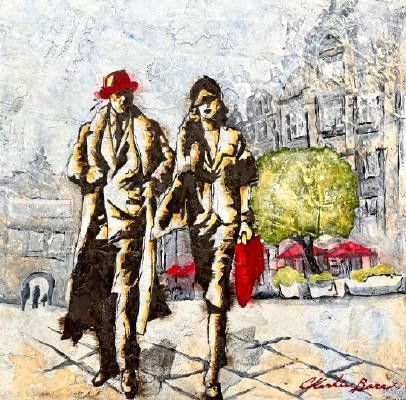
Charlie Barr "Recollection"
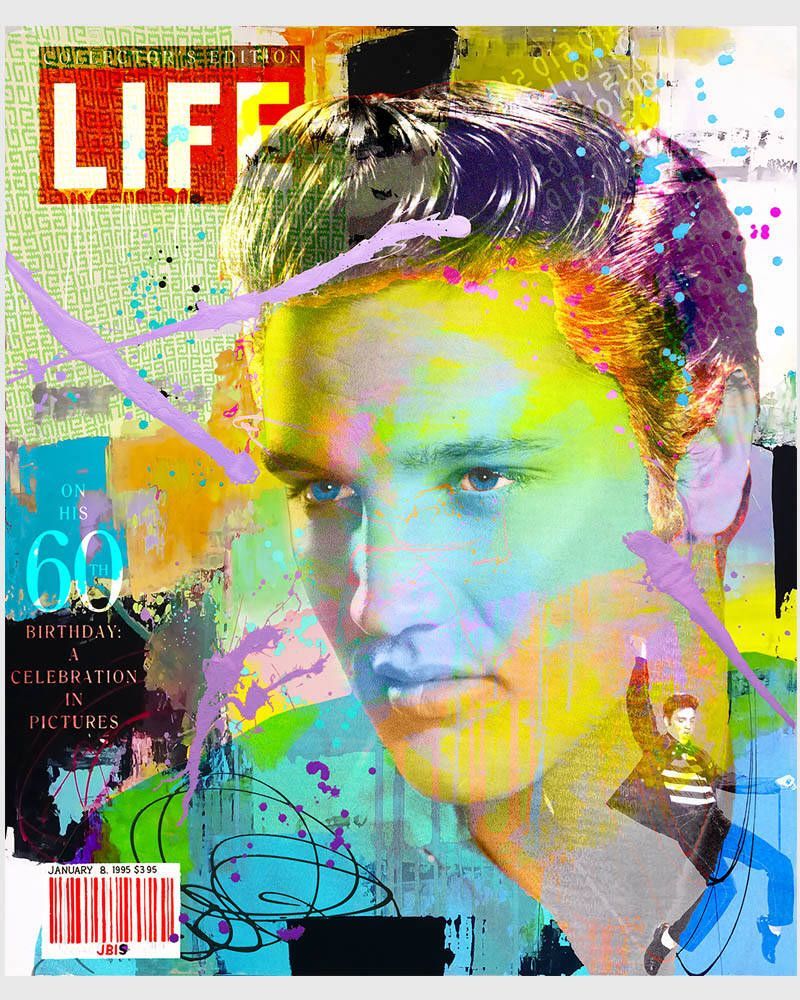
Other Cool Work!
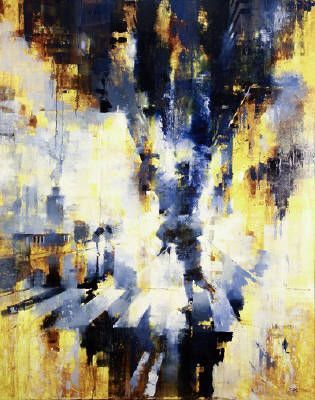
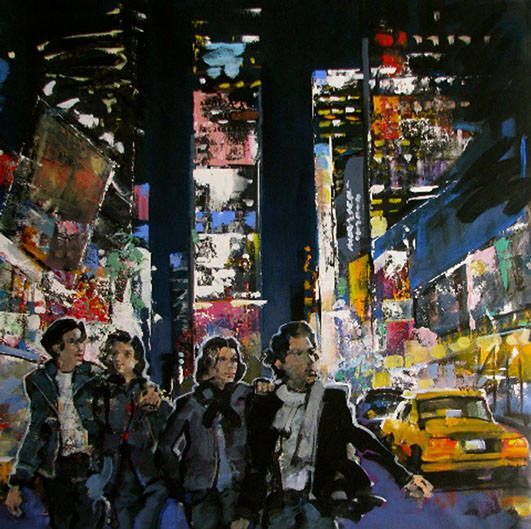
Metropolis by Dimitriy Gritsenko
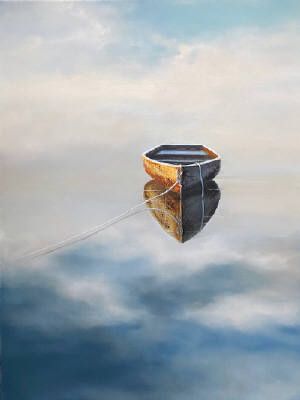
Gallery II - New Works
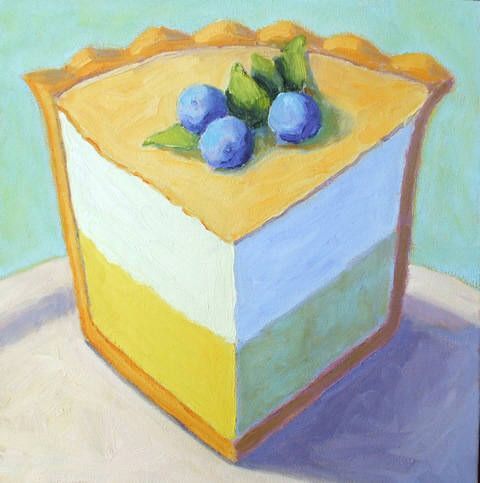
Holiday Group Exhibit
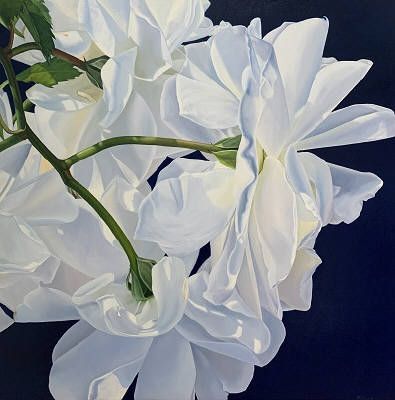
Debbie Daniels "Float and Floral" New Paintings
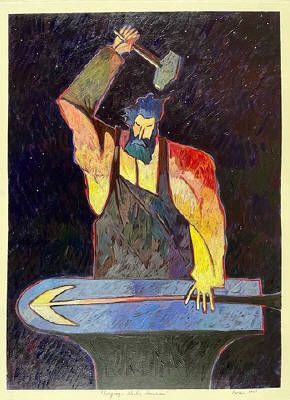
Gallery II - Thom Ross "Moby-Dick" held over works
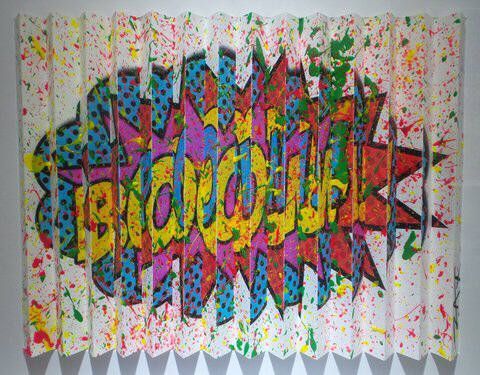
Backroom Inventory on Display
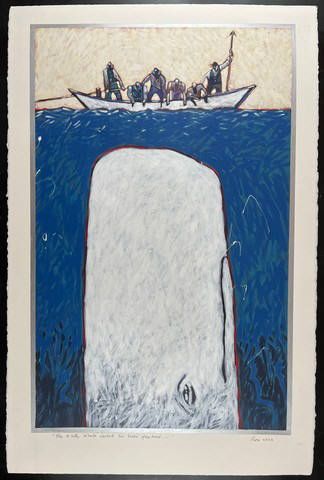
Thom Ross "Moby-Dick; or, The Whale" A Special Two Month Exhibit
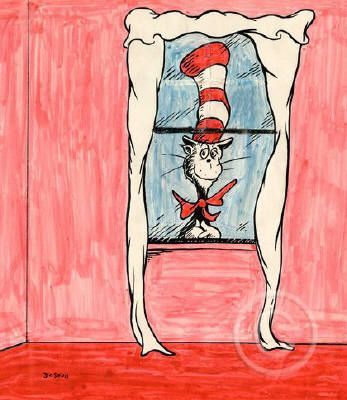
The Concept Drawings - The Art of Dr. Seuss
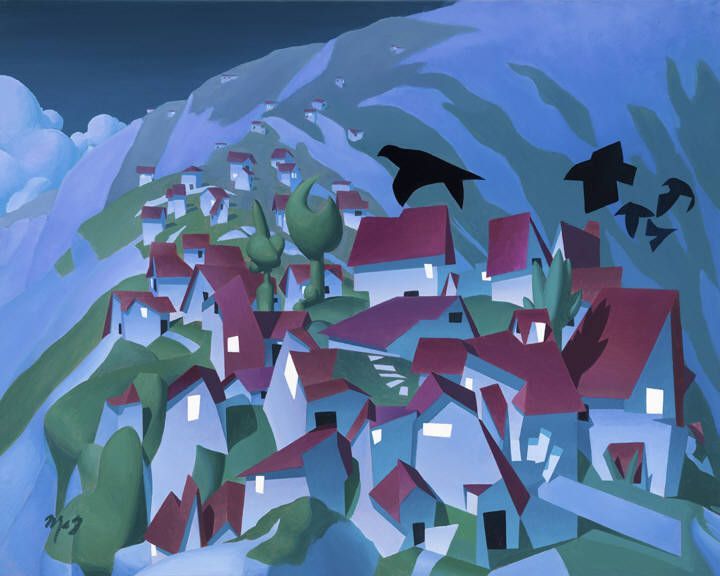
"Quarter to Three" The Night Paintings by Mark Skullerud
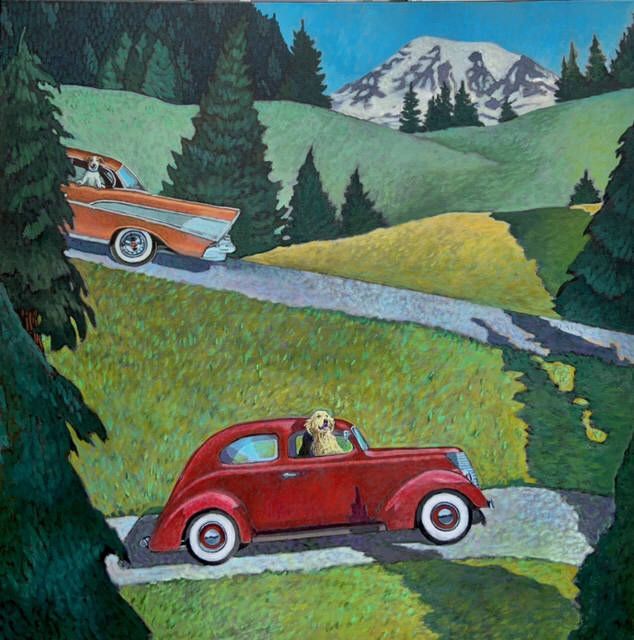
"Excursions" Brad Caplis
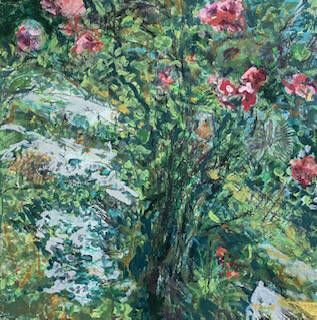
Pat Tolle - New Directions
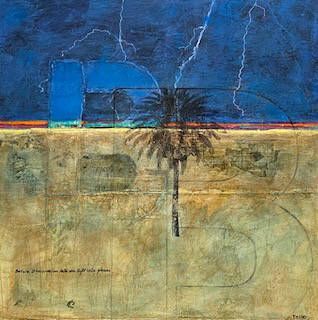
Pat Tolle "New Directions"
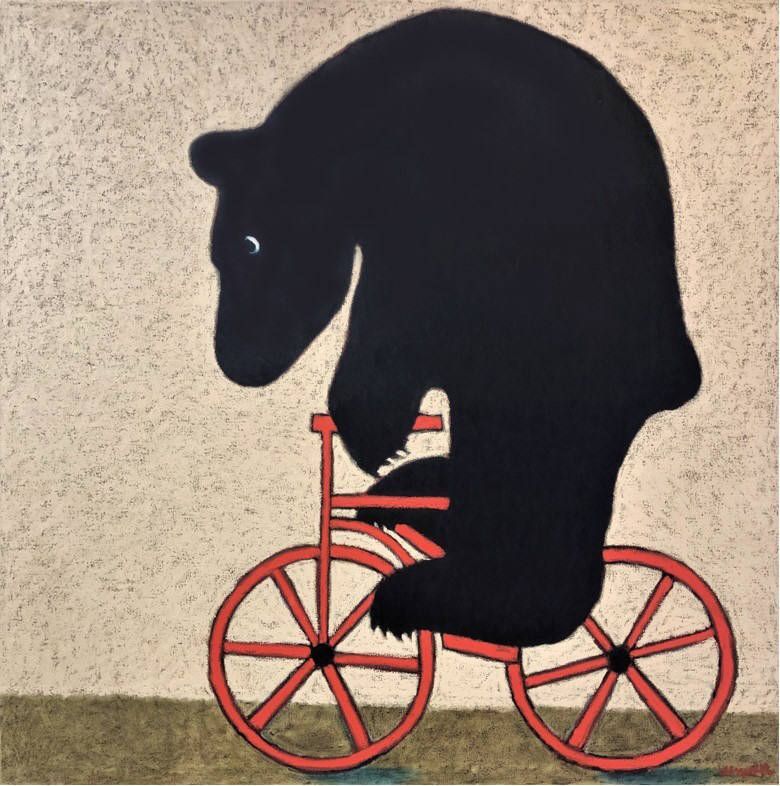
Jaime Ellsworth - Held Over Works
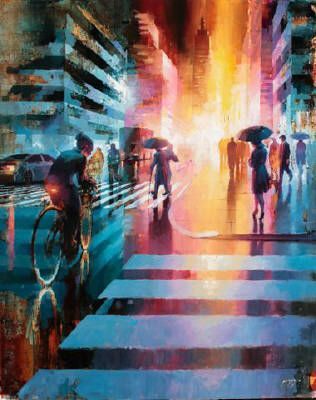
Supporting Ukraine Dimitriy Gritsenko - A brief exhibit of New Works in Support of Ukraine
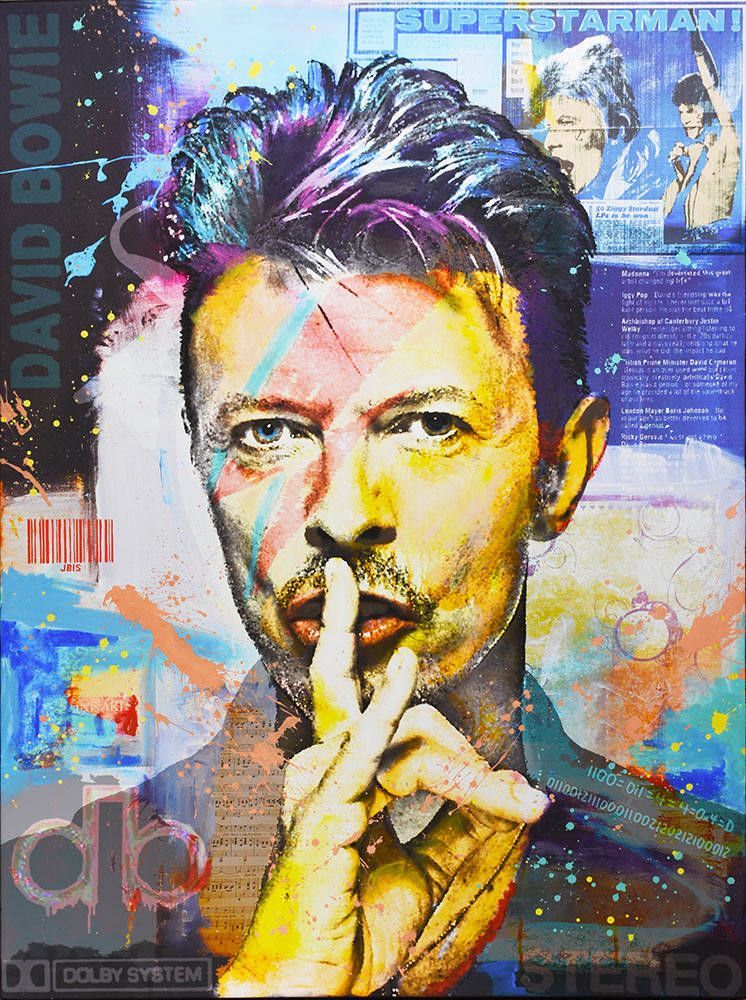
New Works by Four and a few other Favorites
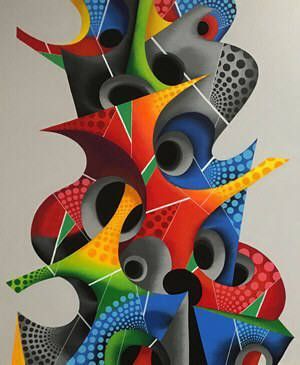
Jin Chen "Pop Op"

The Art of Dr. Seuss
Robert Allan "Organized Abstraction"
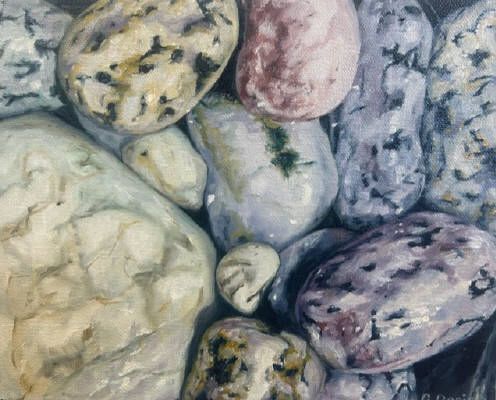
Debbie Daniels "Of the Sea" Extended
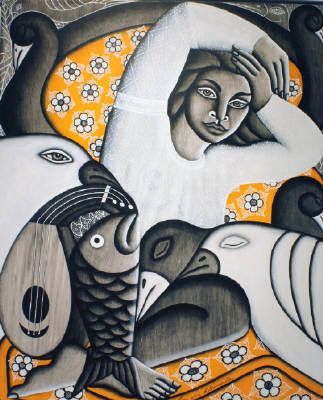
Revisiting Latremouille and Shalygina
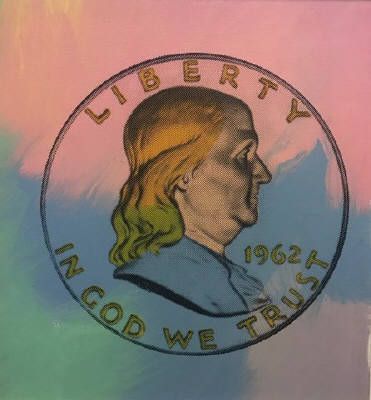
The Color of Money - A Group Exhibit
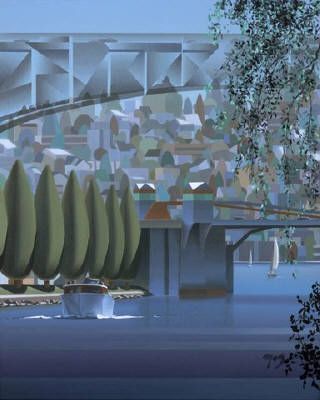
Hallmark Realty Annex
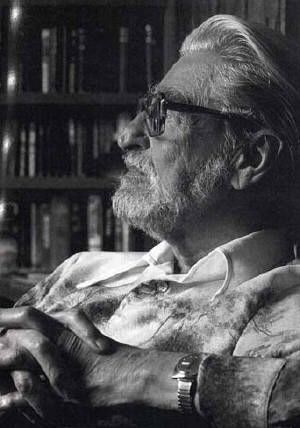
The Secret Art of Dr. Seuss
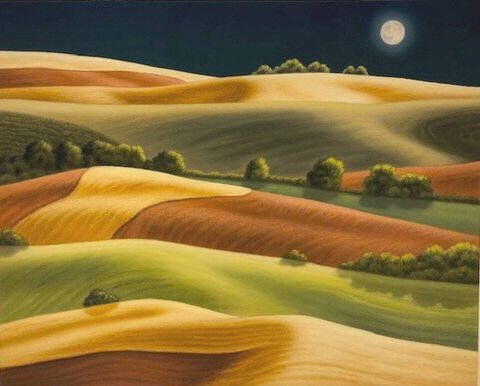
New Pastels and Prints
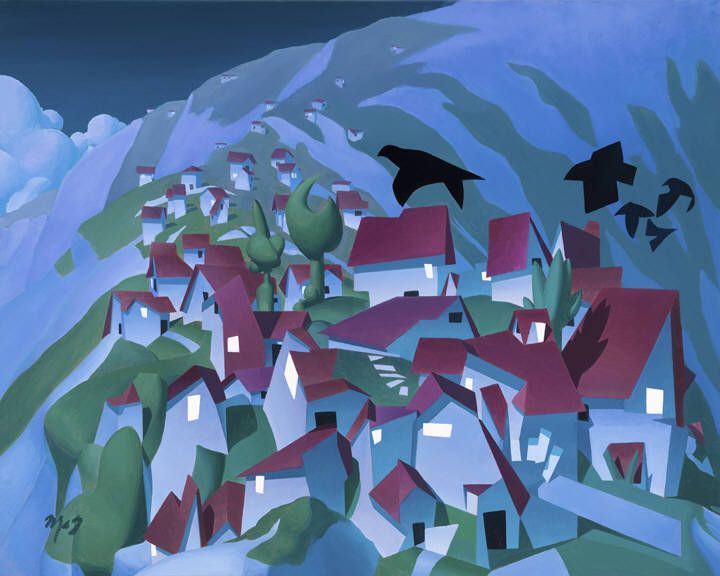
Welcome to the Neighborhood